A clean black hood can tell you a lot about how a vehicle has been cared for. Under Oklahoma sun, pollen, road grime, bug splatter, and sudden weather changes, even premium protection needs the right routine. XPEL film maintenance is not complicated, but the habits you choose after installation make a real difference in how clear, glossy, and long-lasting your paint protection film looks.
Paint protection film is designed to take the abuse that would otherwise reach your factory paint. It helps defend vulnerable panels against rock chips, light scratches, road debris, and environmental contaminants. That does not mean the film should be treated like an indestructible surface. Regular, careful cleaning preserves its finish and helps you get the full benefit of your investment.
Start With the Film’s Initial Cure Time
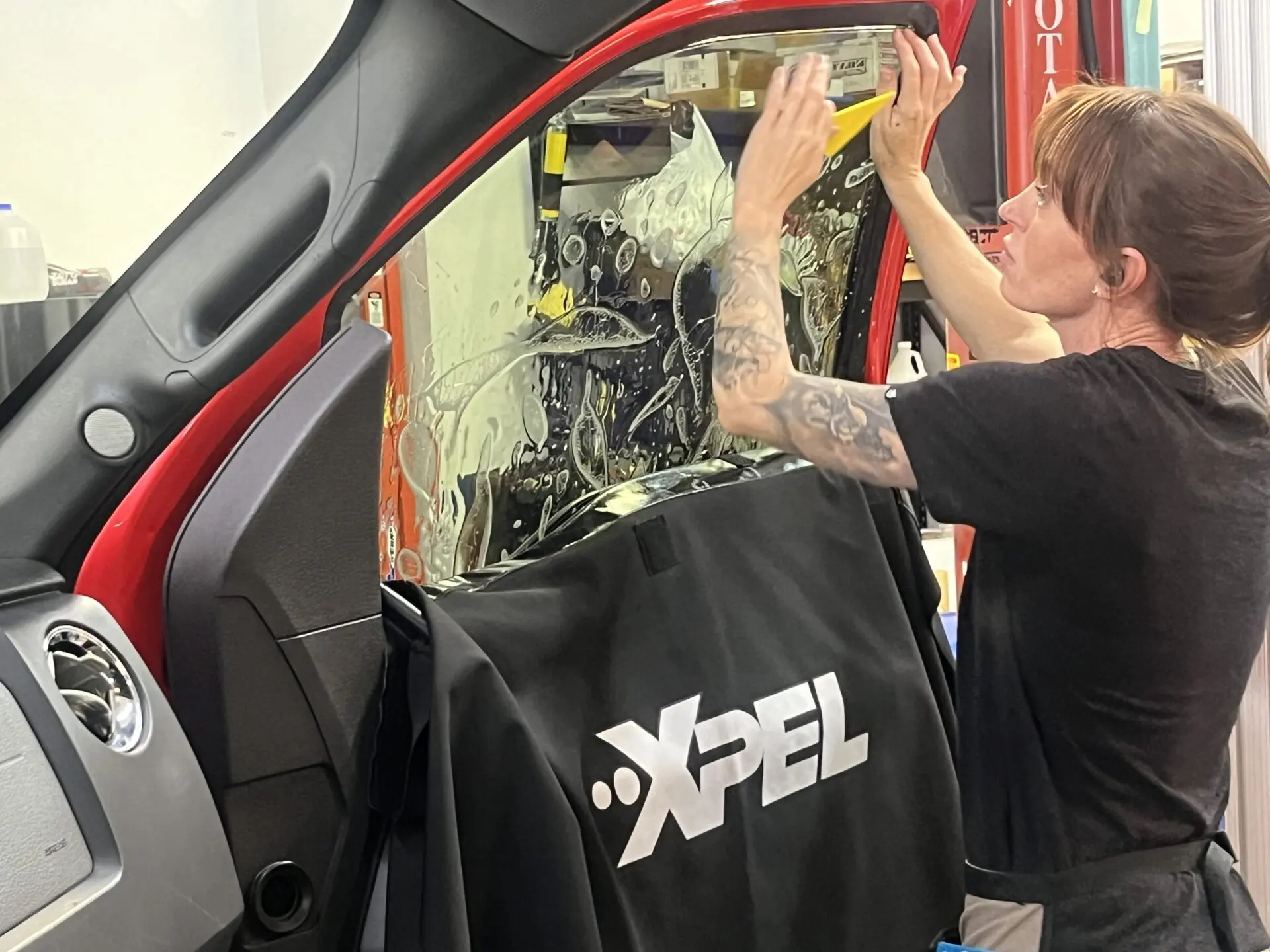
Freshly installed film needs time to settle and cure. During installation, a slip solution is used to position the material precisely. It is normal to see a little moisture or light haze in certain areas as that solution evaporates. Edges can also take time to fully set, especially when temperatures are cool.
Avoid washing the vehicle for the period recommended by your installer. In most cases, waiting about a week gives the film time to stabilize before it is exposed to pressurized water, wash chemicals, or wiping. Do not pick at an edge, press aggressively on a bubble, or attempt to force moisture out yourself. What appears to be a small concern can often resolve naturally as the film finishes curing.
If you notice lifting, persistent cloudiness, or an area that does not look right after the recommended curing period, contact the installation shop. Professional inspection is always safer than experimenting with an edge or adhesive at home.
The Right Way to Wash XPEL Film
The best wash method is simple: remove loose debris first, use clean wash media, and avoid unnecessary friction. Dirt is abrasive. The more it is dragged across any exterior surface, the more likely it is to leave swirls or dull the finish over time.
Begin by rinsing the vehicle thoroughly with low-to-moderate water pressure. This step is especially valuable after a drive on I-35 or a trip through construction zones, where grit can collect along the front bumper, rocker panels, mirrors, and lower doors. Use a pH-neutral automotive shampoo with a clean microfiber wash mitt, working from the upper panels down.
Rinse the mitt often. A bucket with a grit guard is a worthwhile addition because it helps keep particles away from your wash media. When one section is clean, rinse it before moving on rather than allowing soap to dry in direct sunlight.
A touchless wash can be useful when your vehicle needs a quick rinse, but it is not always the complete answer. Strong wash chemicals may remove road film without physical contact, yet they can be harsh on exterior surfaces if used repeatedly. Brush-style automatic washes are the larger concern. Their brushes may hold debris from previous vehicles, creating unnecessary abrasion and potentially catching film edges. Hand washing or a quality touchless wash is the safer long-term choice.
Pressure Washing Without Damaging Edges
Pressure washers are not off-limits, but technique matters. Keep the nozzle moving, stand back from the panel, and avoid directing a concentrated stream toward an exposed film edge. Never aim water underneath an edge or hold the spray in one spot.
This is particularly important around wrapped bumper contours, door cups, mirrors, and the leading edge of the hood. The film is engineered to adhere securely, but repeatedly forcing high-pressure water into an edge is avoidable stress. A wider spray pattern and sensible distance provide plenty of cleaning power without turning routine washing into a risk.
Drying Matters More Than Most Owners Expect
Water spots are one of the most common appearance complaints on otherwise well-maintained vehicles. They are not always caused by dirty water. Mineral-heavy water can leave deposits behind as droplets dry in the heat, and Oklahoma summer sun can make that happen quickly.
Dry the vehicle with fresh, high-quality microfiber towels or a filtered air blower. Pat or glide the towel lightly rather than pressing hard. If a towel hits the ground, retire it from paintwork immediately. A drying aid formulated for paint protection film can add lubrication and make the process easier, but use only products that are safe for film and do not leave a heavy residue.
Pay attention to water trapped around mirrors, emblems, trim, and panel gaps. Blowing out those areas before the final wipe helps prevent streaks from appearing after you pull out of the driveway.
Remove Contaminants Before They Set In
The film protects your paint from many everyday threats, but acidic or staining contaminants should still be removed promptly. Bug remains, bird droppings, tree sap, fuel spills, and hard-water spots become more difficult to address when they are left to bake on the surface.
For fresh bird droppings or bugs, soak the area with water or a film-safe quick-detail product, then lift the contamination with a plush microfiber towel. Do not scrub a dry spot. Letting moisture soften it first reduces the friction needed to remove it.
Tree sap often requires more patience. Start with a gentle cleaner and soft towel before moving to a dedicated automotive sap remover that is confirmed safe for paint protection film. Avoid household solvents, abrasive pads, razor blades, and aggressive compounds. They may solve one problem while creating haze, discoloration, or damage that was not there before.
What About Self-Healing Marks?
Many XPEL film options feature self-healing technology designed to reduce the appearance of light surface scratches. Warmth from the sun can help minor marks relax over time. Controlled heat may also be appropriate in some cases, but heat should be applied carefully and evenly.
Self-healing does not mean every mark will disappear. A deep gouge, impact damage, or tear in the film may require repair or panel replacement. Film is a sacrificial layer by design. Replacing damaged film is often far preferable to repainting a damaged bumper or hood.
Choose Products for Film, Not Just for Paint
Not every detailing product belongs on a protected vehicle. Avoid harsh degreasers, strong acidic cleaners, abrasive polishes, and products containing petroleum distillates unless they are specifically approved for the material. The same caution applies to waxes and dressings that can collect at edges and leave an uneven appearance.
A quality ceramic coating formulated for paint protection film can make maintenance easier by increasing slickness and improving water behavior. It is not a substitute for washing, and it will not prevent impact damage, but it can reduce how strongly grime sticks to the surface. Whether coating the film is worthwhile depends on how the vehicle is used, where it is parked, and how much time you want to spend washing it.
Matte or satin film requires additional care. Products designed to increase gloss can change the intended appearance, while conventional wax can create patchy spots. Always use cleaners and protectants made for the specific finish on your vehicle.
Seasonal Care for Oklahoma Drivers
A maintenance routine should reflect how and where you drive. During spring, pollen and storm residue call for more frequent rinsing. Summer brings intense UV exposure, bugs, and hard-water spotting. In winter, road grime and de-icing residue can collect in lower areas that many owners overlook.
There is no single wash schedule for every vehicle. A garage-kept weekend car may only need a careful wash after drives, while a daily commuter traveling through Edmond and the greater OKC Metro may benefit from washing every one to two weeks. The right interval is based on exposure, not the calendar.
A quick walk-around before washing helps you spot concerns early. Check high-impact areas, look along wrapped edges, and inspect the front end after highway trips. Catching a small issue early gives you the best chance of preserving both the film and the finish underneath.
When Professional Care Is the Better Choice
Most regular XPEL film maintenance can be handled at home with the correct products and methods. Professional help is the better route when you are dealing with stubborn water spots, staining, edge concerns, deep scratches, or accident damage. Attempting aggressive correction can make a manageable issue worse.
At Superior Concepts, we believe protection should continue to look like protection, not like a compromise in appearance. A thoughtful wash routine, prompt contaminant removal, and professional attention when something seems off will keep your vehicle looking cared for long after it leaves the shop. Your film was installed to take the road’s abuse, so give it the simple, consistent care that lets it do its job we