A black interior, a long Oklahoma summer, and a vehicle parked outside can make the difference between window films obvious within minutes. When comparing carbon tint vs ceramic tint, both are major steps up from basic dyed film, but they do not deliver the same level of heat rejection, optical clarity, or long-term performance. The right choice depends on how you drive, where you park, and what you expect from your investment.
For many Edmond and Oklahoma City drivers, window tint is more than a cosmetic upgrade. Quality film cuts glare, helps protect the cabin from UV exposure, reduces solar heat, and gives the vehicle a cleaner, more finished appearance. The material behind that dark, uniform finish matters.
Carbon Tint vs Ceramic Tint: The Core Difference
Carbon window tint uses carbon particles within the film to absorb and block heat. It has a rich, charcoal appearance that tends to stay stable over time, avoiding the purple or faded look often associated with lower-grade dyed films. Carbon tint is non-metallic, so it typically will not interfere with phone, GPS, radio, or keyless-entry signals.
Ceramic tint also uses non-metallic technology, but its construction incorporates microscopic ceramic particles. Those particles are highly effective at rejecting infrared heat while maintaining excellent visibility. Ceramic film is engineered for drivers who want the highest possible comfort and protection without relying on a darker shade to do the work.
Both options can provide strong UV protection when you choose a premium film. The main separation is heat performance. Carbon film offers meaningful improvement over entry-level tint, while ceramic film is designed to reject more of the sun’s heat before it reaches the cabin.
Heat Rejection Matters in Oklahoma
On a clear summer afternoon in the OKC Metro, windshield and side glass can turn a parked vehicle into a heat trap. Air conditioning still has to work, but the right film can reduce the heat load coming through the glass. That means the interior may cool down faster, front-seat passengers feel less direct heat, and the cabin stays more comfortable on routine drives.
Ceramic tint is the stronger choice for this job. It blocks a greater amount of infrared radiation, the portion of sunlight that produces much of the heat you feel on your skin and inside the cabin. A ceramic film can remain relatively light in visible shade while still delivering excellent heat rejection.
Carbon tint provides respectable heat reduction, especially compared with conventional dyed film. It is often a practical fit for drivers who want a darker appearance, improved comfort, and durable color stability without moving to the highest-priced film category. But if a vehicle sits in an uncovered driveway, spends long days in a work parking lot, or has a large glass area, ceramic’s added performance is easier to appreciate.
Darker Does Not Always Mean Cooler
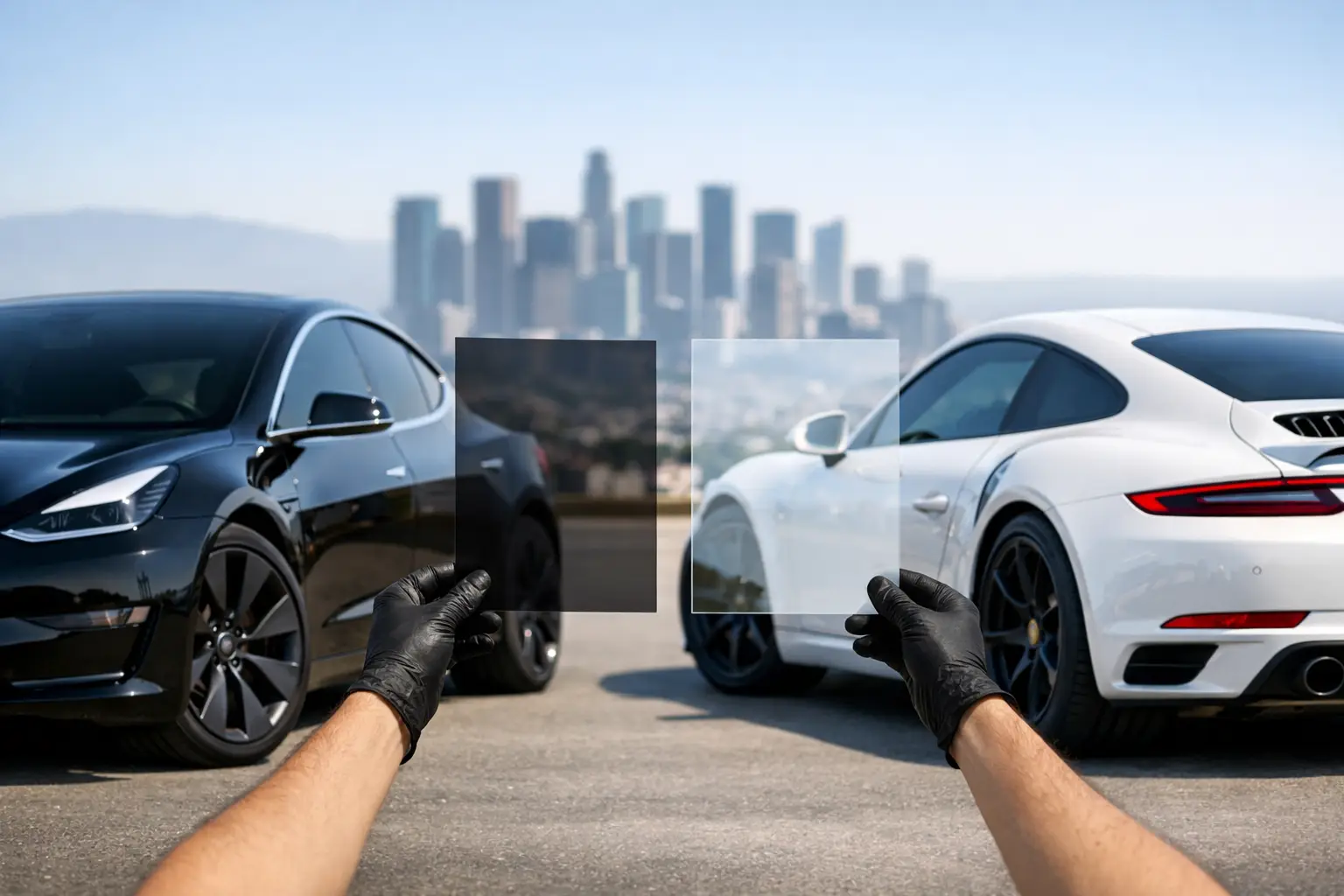
Tint shade and heat rejection are related, but they are not the same measurement. A dark basic film can reduce visible light and make the windows look darker, yet still allow significant infrared heat into the vehicle. A lighter premium ceramic film may look less dramatic from outside while outperforming that darker film in cabin comfort.
This is why an experienced consultation should cover more than the shade you like. The film’s visible light transmission, total solar energy rejection, infrared performance, and the specific glass being tinted all affect real-world results.
Appearance and Visibility
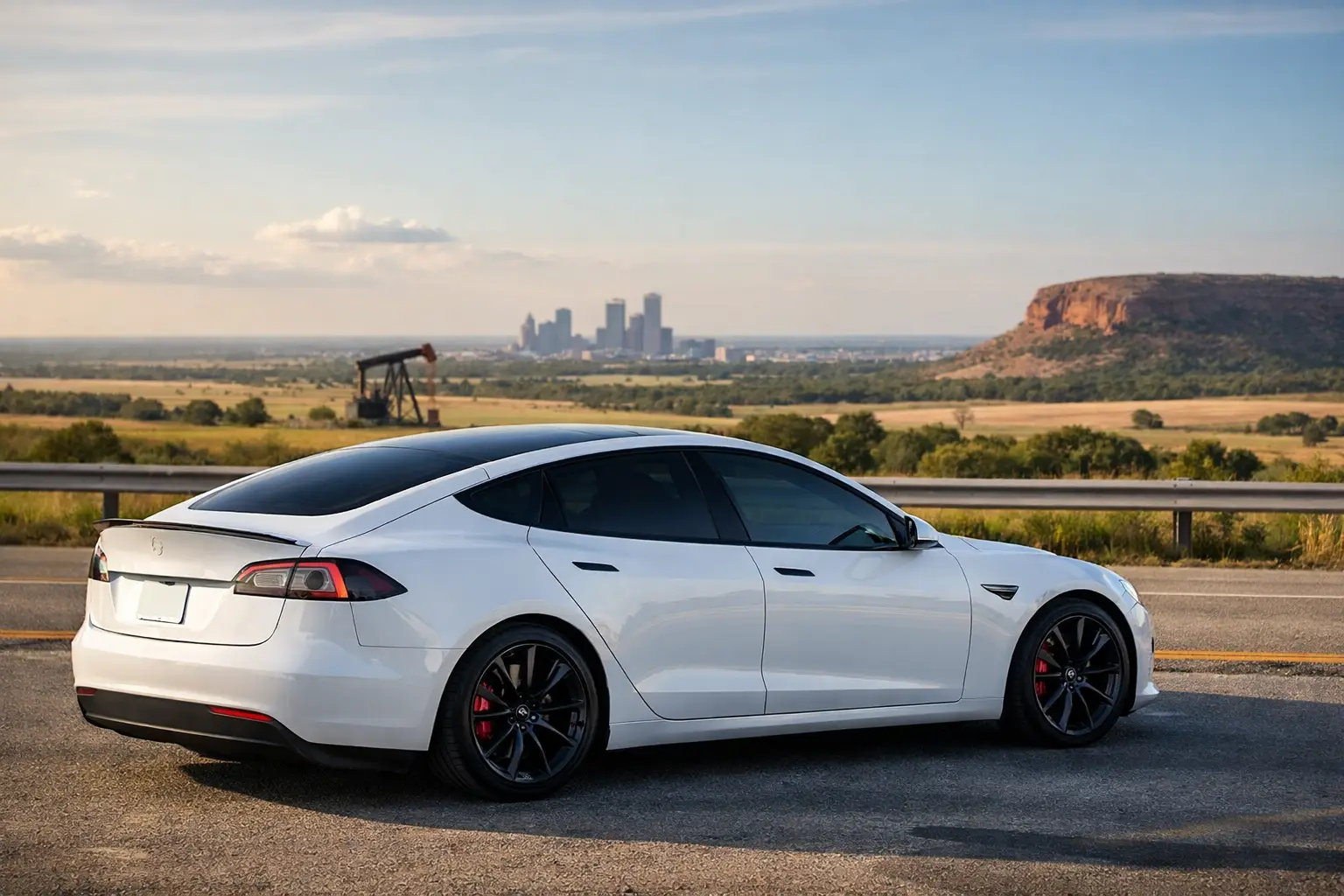
Carbon tint is known for its deep black tone. On black, gray, white, silver, and darker performance vehicles, it can create a clean factory-plus appearance without the reflective look of metallic film. For many owners, that uniform charcoal finish is carbon tint’s biggest appeal.
Ceramic tint can also look refined and consistent, but its advantage is what happens from the driver’s seat. Premium ceramic films are made to preserve clear outward visibility, particularly in lighter shades. That can be valuable for commuters driving at night, owners who regularly travel rural roads, and anyone who wants heat control without making the cabin feel excessively dark.
The best shade is personal, but it should also be practical. Consider your night driving, backup-camera use, interior color, and comfort with reduced visibility in rain. A professional installer can help match the film shade to your goals while staying within applicable Oklahoma window tint regulations.
Signal Compatibility and Daily Convenience
Older metallic tint products earned a reputation for interfering with electronics. Carbon and ceramic films avoid that issue because neither relies on metal for performance. In normal use, that means you can expect dependable access to cellular service, GPS navigation, Bluetooth, satellite radio, and modern vehicle features.
This is particularly relevant for newer luxury vehicles and performance cars with antenna systems, connected services, radar detectors, and integrated driver-assistance technology. Whether you choose carbon or ceramic, selecting a non-metallic premium film helps preserve those conveniences.
Durability, Fading, and Interior Protection
A quality window film should look good years after installation, not just on pickup day. Carbon tint is valued for its color stability. Its carbon-based construction resists the fading and purple discoloration that can make inexpensive films look worn prematurely.
Ceramic tint is also highly durable and color stable. Its premium construction is intended to maintain performance and appearance through years of sun exposure. The higher upfront cost often makes sense for owners planning to keep a vehicle long-term, those protecting a high-value purchase, or drivers who simply want the best available result.
Both films can help protect leather, upholstery, trim, and dashboard surfaces from UV exposure. That protection supports a better-looking interior over time and can help preserve a vehicle’s resale appeal. Window tint will not eliminate all sun-related aging, but it is a meaningful layer of protection for the cabin.
Cost: Where Carbon Delivers Value and Ceramic Pulls Ahead
Carbon tint generally costs less than ceramic tint, making it an attractive middle ground. It offers better longevity and heat control than basic dyed film while delivering the dark, non-reflective appearance many drivers want. For a daily driver that needs a noticeable upgrade without pursuing maximum thermal performance, carbon is a smart choice.
Ceramic tint costs more because of the technology and performance it brings. The added investment is often worthwhile when heat reduction is the priority, especially in Oklahoma’s summer conditions. It is also an excellent fit for light-colored interiors, vehicles with panoramic roofs, luxury models, and commuters who spend substantial time behind the wheel.
There is no single answer that fits every car. A garage-kept weekend vehicle may not need the same level of heat rejection as a daily-driven SUV that sits outside eight hours a day. The important thing is comparing film specifications and installation quality, not simply choosing the lowest price or darkest shade.
Installation Quality Is Part of the Product
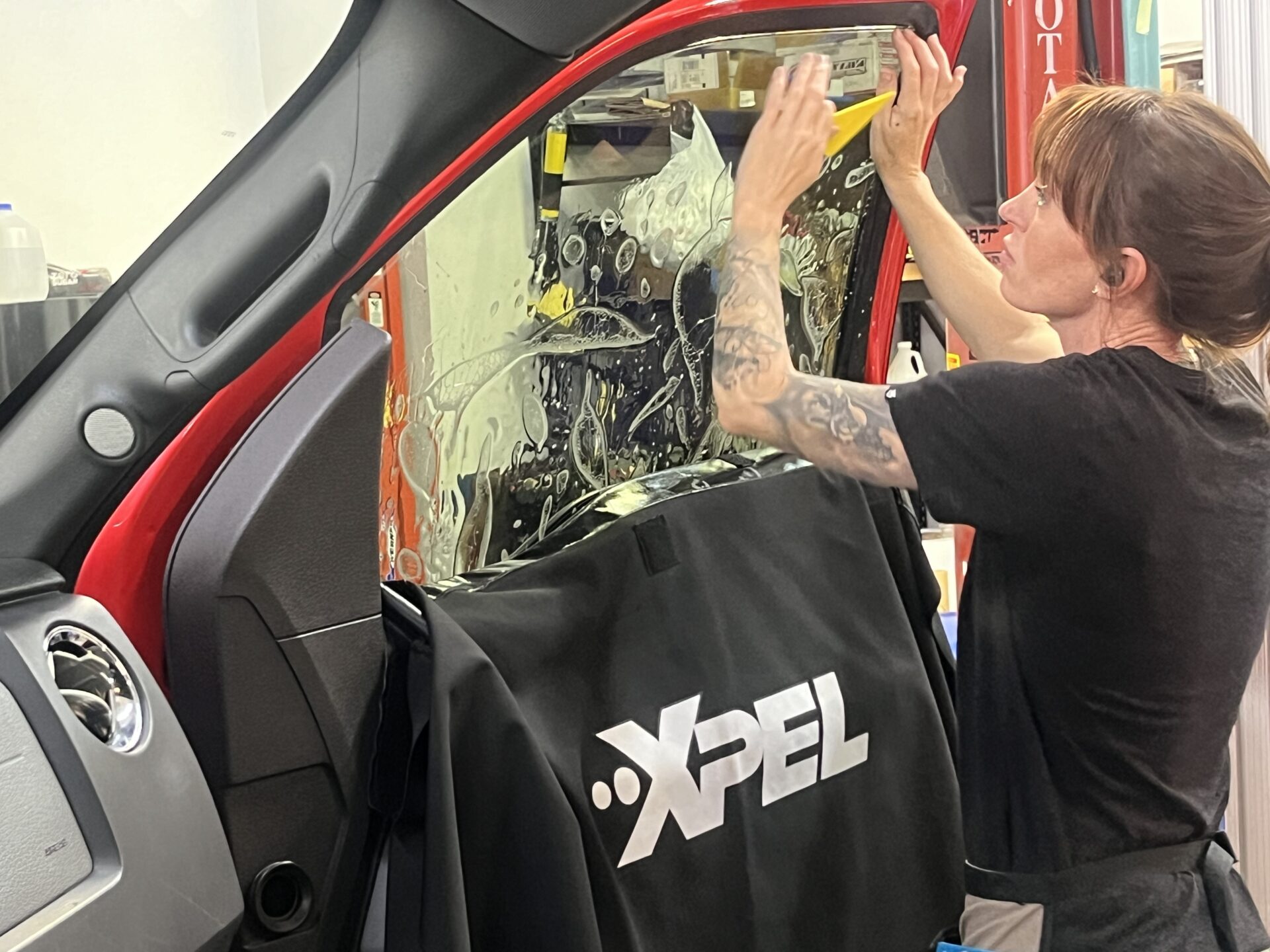
Even premium ceramic film cannot compensate for poor preparation, imprecise cutting, contamination, or rushed installation. Clean edges, proper fitment around defroster lines and sensors, and careful curing all influence how the finished tint looks and lasts.
At Superior Concepts, the focus is on pairing premium materials with meticulous installation so the finish complements the vehicle rather than distracting from it. A professional installation also gives you a clear understanding of the film selected, its warranty coverage, and proper aftercare during the curing period.
After installation, small water pockets or a slightly hazy appearance can be normal while the film cures. Avoid rolling down the windows for the recommended period, and use soft, ammonia-free cleaning products once the film has fully settled. Following those simple steps helps protect the finish from the start.
Which Tint Should You Choose?
Choose carbon tint if you want a durable, dark, non-metallic film with solid heat reduction and strong value. It is an excellent option for drivers who prioritize appearance, UV protection, glare reduction, and a noticeable improvement over entry-level tint.
Choose ceramic tint if your priority is maximum heat rejection, clear visibility, and premium long-term comfort. It is especially well suited to daily drivers, luxury vehicles, trucks and SUVs with expansive glass, and anyone who regularly parks in direct sun.
Your vehicle should feel better to drive after tinting, not just look darker from the curb. Select the film that fits your actual routine, then trust careful installation to make that protection look as refined as the rest of your vehicle.