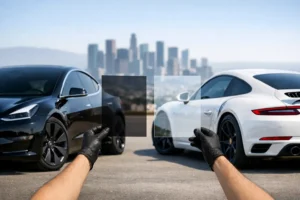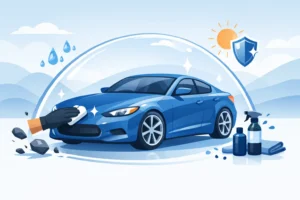

A vehicle can lose value long before anything is mechanically wrong with it. The first rock chips across the hood, sun-faded trim, stained seats, and swirls visible under dealership lights all shape a buyer’s impression. Car resale value protection is about preventing that visual decline, so your vehicle continues to look cared for when it is time to trade, sell, or hand it down.
For drivers in Edmond and the OKC Metro, preservation has a local challenge: intense sun, heat, sudden storms, highway debris, construction zones, and everyday commuting can take a real toll on a finish. Protecting a vehicle early is usually less expensive and more effective than trying to correct years of wear later.
Why Condition Has Such a Big Effect on Resale
Mileage, service history, trim level, and market demand all influence what a vehicle is worth. But condition is often what determines whether a buyer sees your car as a well-kept example or a project that needs immediate work. Two identical vehicles can have very different offers when one has chipped paint, hazy headlights, neglected leather, or a dull exterior.
A clean, protected vehicle also creates confidence. Buyers may not know the exact product used on the paint, but they recognize a vehicle that has been maintained. A glossy, smooth finish and a clean interior suggest that the owner likely paid attention to other areas of ownership as well.
That does not mean every protection service produces a dollar-for-dollar increase in a future sale price. The return depends on the vehicle, its age, how long you keep it, and the type of buyer. The stronger benefit is reducing avoidable condition-related deductions while allowing you to enjoy a better-looking vehicle throughout ownership.
Car Resale Value Protection Starts With Paint
Factory paint is one of the most expensive cosmetic surfaces to restore correctly. Once a panel has deep scratches, rock chips, oxidation, or clear-coat failure, a quick fix often is not enough. Repainting can help, but it may also create concerns for informed buyers if the work is poorly documented or does not match the original finish.
Paint protection film for high-impact areas
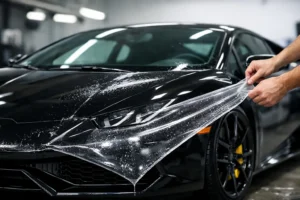
Paint protection film, often called PPF or clear bra, is designed to absorb the abuse that would otherwise reach the paint. It is especially valuable on front bumpers, hoods, fenders, mirror caps, rocker panels, door edges, and behind the wheels. These are the areas most exposed to gravel, road debris, bugs, and scuffs from daily use.
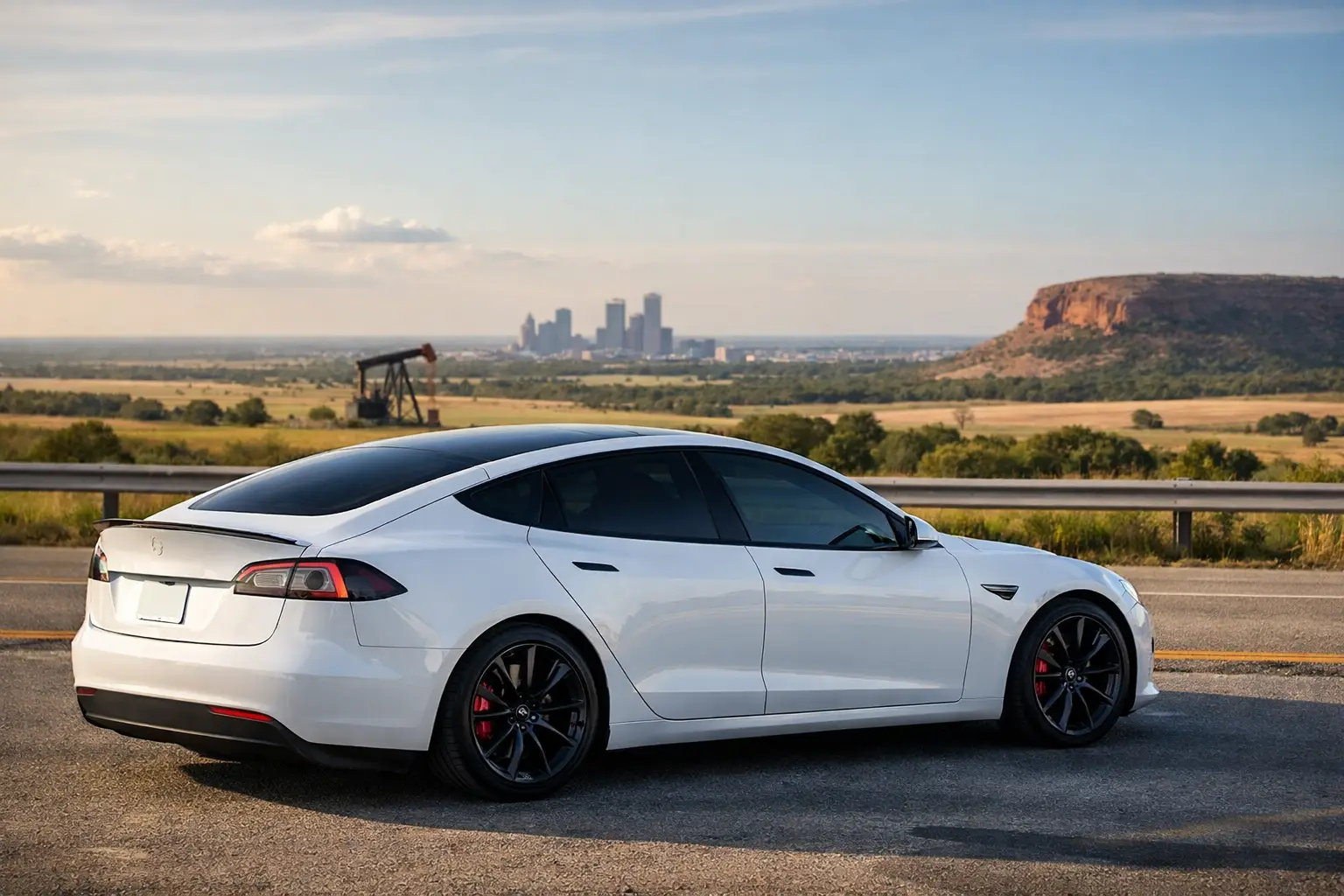
For a performance vehicle, luxury SUV, or new truck with a dark finish, full-front PPF can be a practical investment. It keeps the most noticeable surfaces cleaner and helps prevent the peppered chip pattern that can make a relatively new vehicle look older than it is. Full-body coverage may make sense for exotic vehicles, highly driven vehicles, or owners who want the broadest preservation plan.
The trade-off is cost. PPF is a premium service, and coverage should match your vehicle, driving habits, and ownership plans. If you expect to keep a daily driver for only a short time, targeted coverage on the front end and high-wear areas may provide the better balance.
Ceramic coating for gloss and easier maintenance
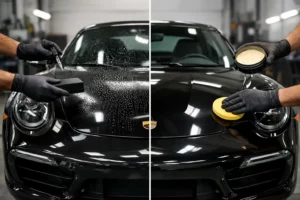
Ceramic coating creates a durable protective layer that improves gloss and makes washing easier. Water, dust, mud, and road grime are less likely to cling to a properly coated surface, which can reduce the temptation to use aggressive cleaning methods that cause swirls.
A coating is not a substitute for PPF. It does not stop a hard rock strike from chipping paint. Its value lies in hydrophobic performance, UV resistance, chemical resistance, and a finish that stays easier to maintain. For many owners, PPF on impact zones combined with ceramic coating over the vehicle offers a smart mix of chip protection and long-term shine.
Professional preparation matters here. Coating over contamination, scratches, or poor paint correction can lock in flaws rather than improve the appearance. A careful installer will evaluate the paint first and recommend the level of correction appropriate for the vehicle’s condition and your goals.
Protect the Interior Buyers See First
The interior can make or break a resale conversation. A buyer sitting in a vehicle notices the steering wheel, driver’s seat bolster, dash, glass, and odor before they know the service history. Heat and UV exposure can dry materials, fade plastics, and make a cabin feel tired much sooner than its mileage suggests.
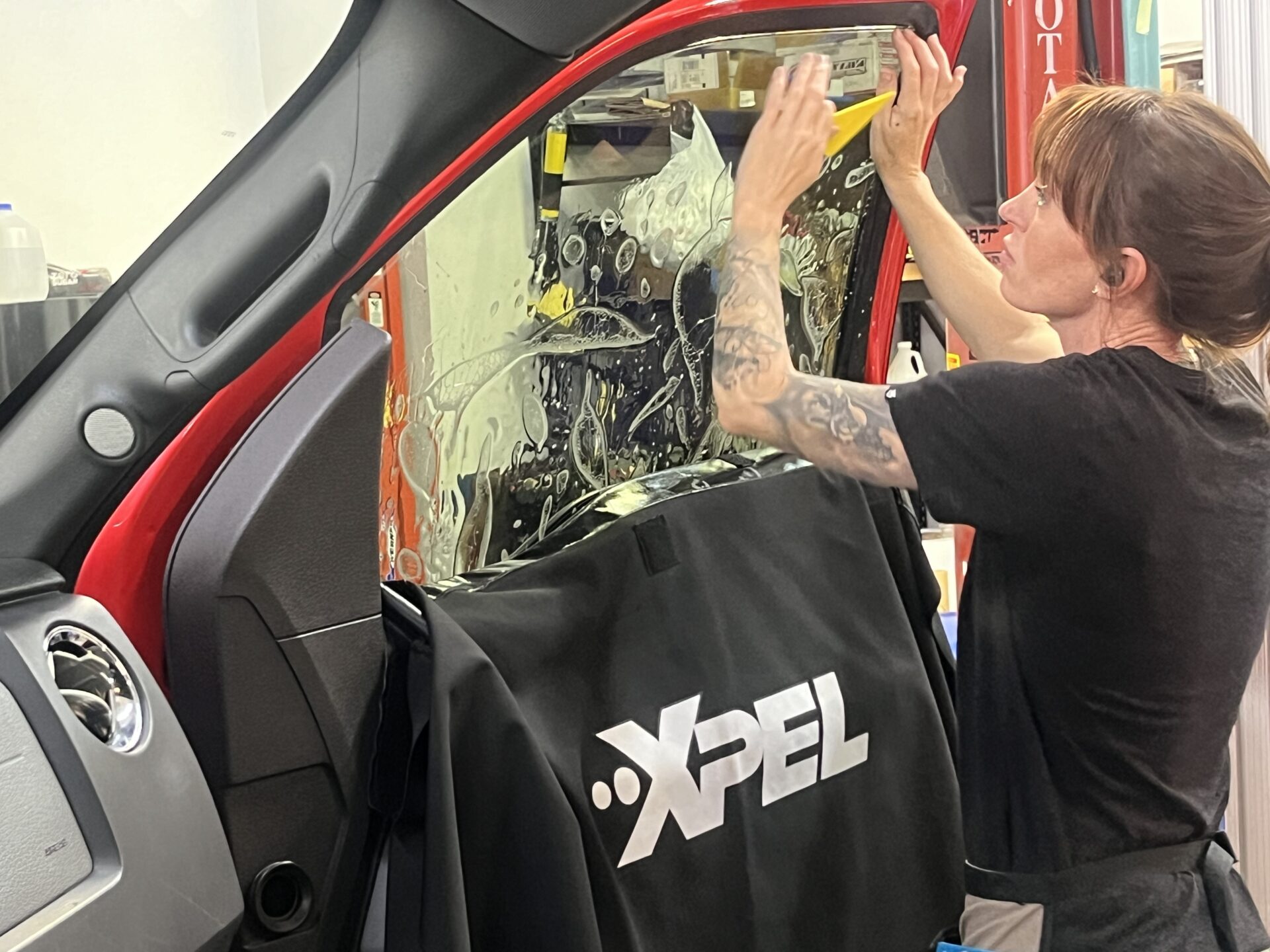
Professional window tinting helps protect interior surfaces by reducing UV exposure and heat. It also makes everyday driving more comfortable, particularly during Oklahoma summers. Quality film should be selected with local tint laws, visibility needs, and the vehicle’s glass technology in mind. The darkest possible tint is not always the right choice. A legal, high-quality film with effective heat rejection is typically the better long-term decision.
Routine care carries equal weight. Clean spills promptly, use products designed for the material in question, and avoid shiny dressings that can leave residue or accelerate wear. Leather, vinyl, fabric, trim, and touchscreens all need different treatment. The goal is a clean cabin that looks original, not overly detailed or artificially glossy.
Avoid the Mistakes That Create Deductions
Many resale issues come from good intentions paired with the wrong products or shortcuts. Automatic car washes with harsh brushes can leave visible swirls. Cheap touch-up paint can draw more attention to chips. Hanging air fresheners may mask odors temporarily but do not solve the source. Poorly installed accessories, drilled holes, and loose wiring can make a buyer question the quality of all modifications.
If you personalize your vehicle, choose upgrades that are reversible, professionally installed, and appropriate for the vehicle. Custom wheels, performance improvements, radar systems, and appearance enhancements can be appealing to the right buyer, but they can narrow the buyer pool if they are extreme or poorly executed. Keep original parts when possible. The ability to return a vehicle to a more factory-oriented configuration can be valuable at trade-in time.
Documentation also helps. Retain invoices for protection services, maintenance, paint correction, tint, and professional installations. These records do not guarantee a higher offer, but they support the story that the vehicle has been cared for with quality materials and skilled workmanship.
Build a Protection Plan Around How You Drive
The best approach is not always the most extensive package. A weekend sports car stored indoors faces different risks than a commuter traveling I-35 every day. A family SUV may benefit most from front-end PPF, durable coating protection, tint, and focused interior care. A collector vehicle may justify more comprehensive film coverage and meticulous paint correction.
Timing matters as much as product selection. Applying protection while paint is new and clean avoids the need to correct widespread damage first. If your vehicle already has wear, it is still worth getting an honest assessment. In some cases, correcting and protecting the visible areas can make a substantial difference. In others, a more targeted approach is the sensible use of your budget.
Since 2007, Superior Concepts has helped Oklahoma vehicle owners make those decisions with premium materials, precise installation, and protection plans tailored to the vehicle rather than a one-size-fits-all package.
Maintenance Keeps Protection Working
Protection is not a license to ignore the vehicle. Wash regularly using proper methods, remove bird droppings and bug residue quickly, and avoid abrasive towels or harsh chemicals. Park in covered areas when practical, especially during extended periods of intense heat. Inspect film edges, wheels, and high-contact areas as part of routine cleaning.
A well-maintained coating or film makes this work easier, but regular care is what preserves the result. It also gives you a chance to spot small issues before they become larger cosmetic repairs.
When the day comes to sell, the strongest advantage is simple: your vehicle will look like it was valued while you owned it. That impression is difficult to manufacture at the last minute, and it is exactly what thoughtful protection preserves.