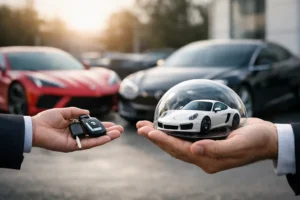
A new vehicle can look flawless for about as long as it takes to hit I-35 behind a gravel truck. Between rock chips, harsh sun, bug splatter, road salt, and routine washing, paint starts losing that fresh, deep finish faster than most owners expect. So the real question is simple: does car paint protection work? Yes – but the right answer depends on what kind of protection you choose, how you drive, and what you want to preserve.
Does car paint protection work for everyday drivers? This is a question we get asked often, while it can get confusing sorting through the noise – hopefully this will held answer some common questions. As always give us a call at 405-285-9000 and ask for Gerald or Ryan if you have additional questions.
It does, and not just for exotic cars or weekend garage queens. Paint protection is useful for daily drivers, family SUVs, luxury vehicles, and performance cars because the threats are the same. Road debris does not care what badge is on the hood.
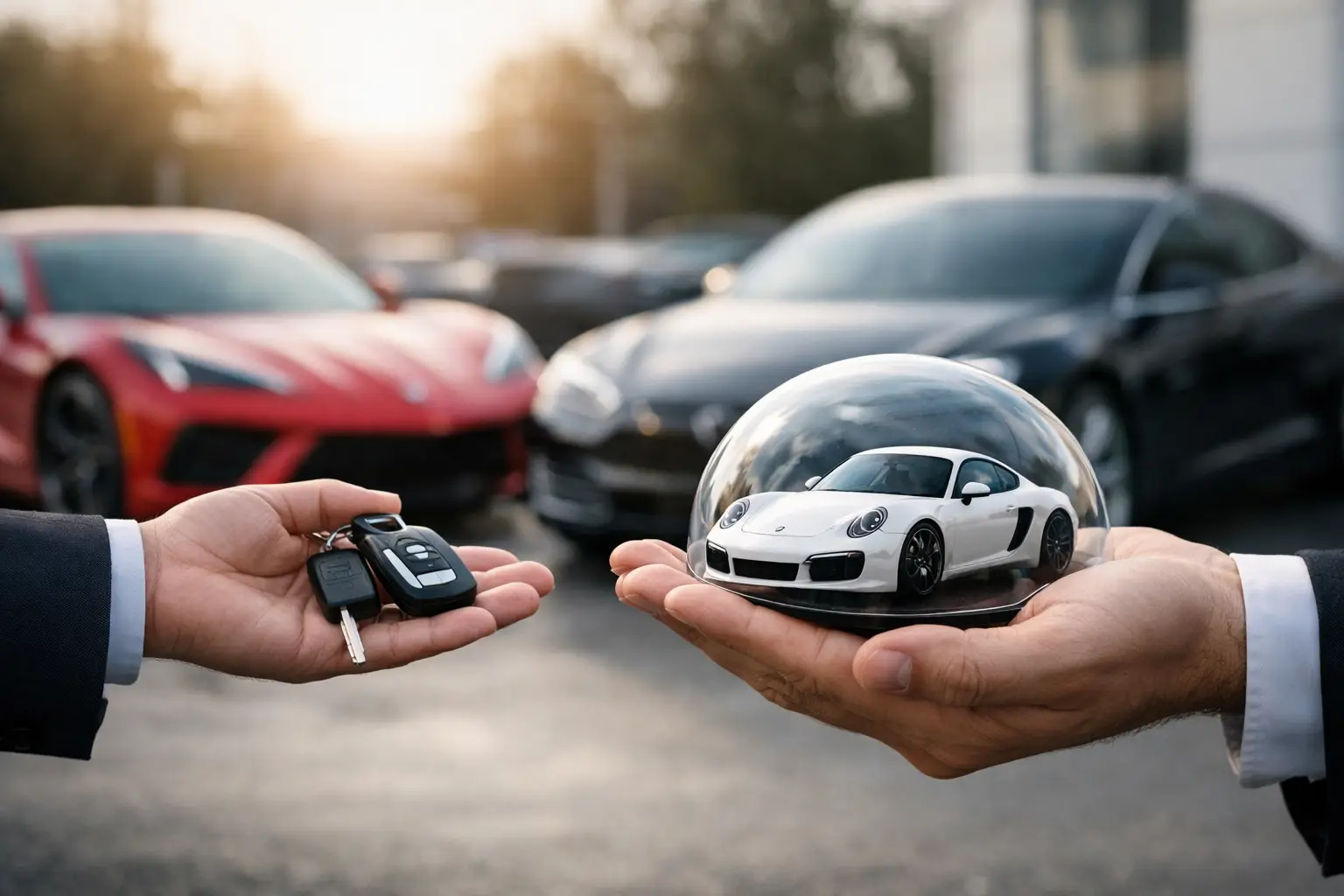
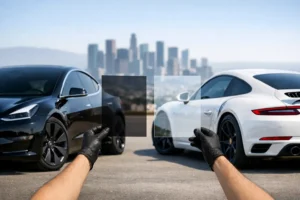
Where people get confused is by treating every paint protection product like it does the same job. It does not. Paint protection film, ceramic coating, waxes, and sealants all fall under the same broad conversation, but they protect against different types of damage. If you expect a ceramic coating to stop a rock chip, you will be disappointed. If you expect film to make washing unnecessary, you will be disappointed there too.
The protection works when the product matches the problem.
What car paint protection actually protects against
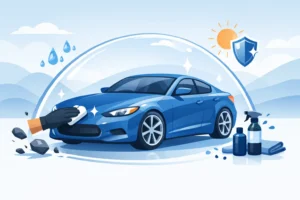
The biggest threats to modern automotive paint are usually physical impact, contamination, UV exposure, and wash-induced marring. Those are four separate issues, which is why one-size-fits-all claims tend to sound better than they perform.
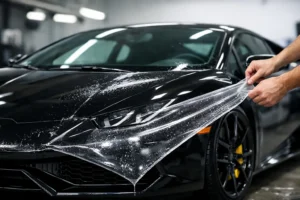
Paint protection film, often called PPF or clear bra, is designed to absorb abuse from road debris, small rocks, bug acids, and light abrasions. It is the closest thing to a sacrificial layer for the painted surface. On high-impact areas like the front bumper, hood, fenders, mirrors, and rocker panels, it can make a dramatic difference over time.
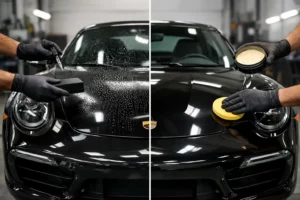
Ceramic coating serves a different purpose. It adds a durable, slick, hydrophobic layer that helps resist chemical staining, UV damage, oxidation, water spotting, and grime buildup. It also makes the vehicle easier to clean and helps preserve gloss. What it does not do is provide the same impact resistance as film.
Traditional waxes and paint sealants can still add some shine and short-term surface protection, but they do not offer the longevity or performance of professionally installed PPF or ceramic coatings.
Paint protection film vs ceramic coating
This is where most buying decisions should start. If your main concern is rock chips on the front end, PPF is the stronger solution. If your main concern is keeping the paint glossy, easier to wash, and better protected from sun and contaminants, ceramic coating makes more sense.
For many owners, the best answer is both. Film handles the impact-prone areas, while ceramic coating helps protect and maintain the rest of the exterior. That combination is especially popular on newer vehicles where owners want to preserve both appearance and resale value from day one.
There is a cost difference, of course. PPF is usually the larger investment because the material is thicker, more specialized, and more labor-intensive to install correctly. Ceramic coating is typically more affordable than full-body film, but pricing still depends on prep work, paint condition, and coverage.
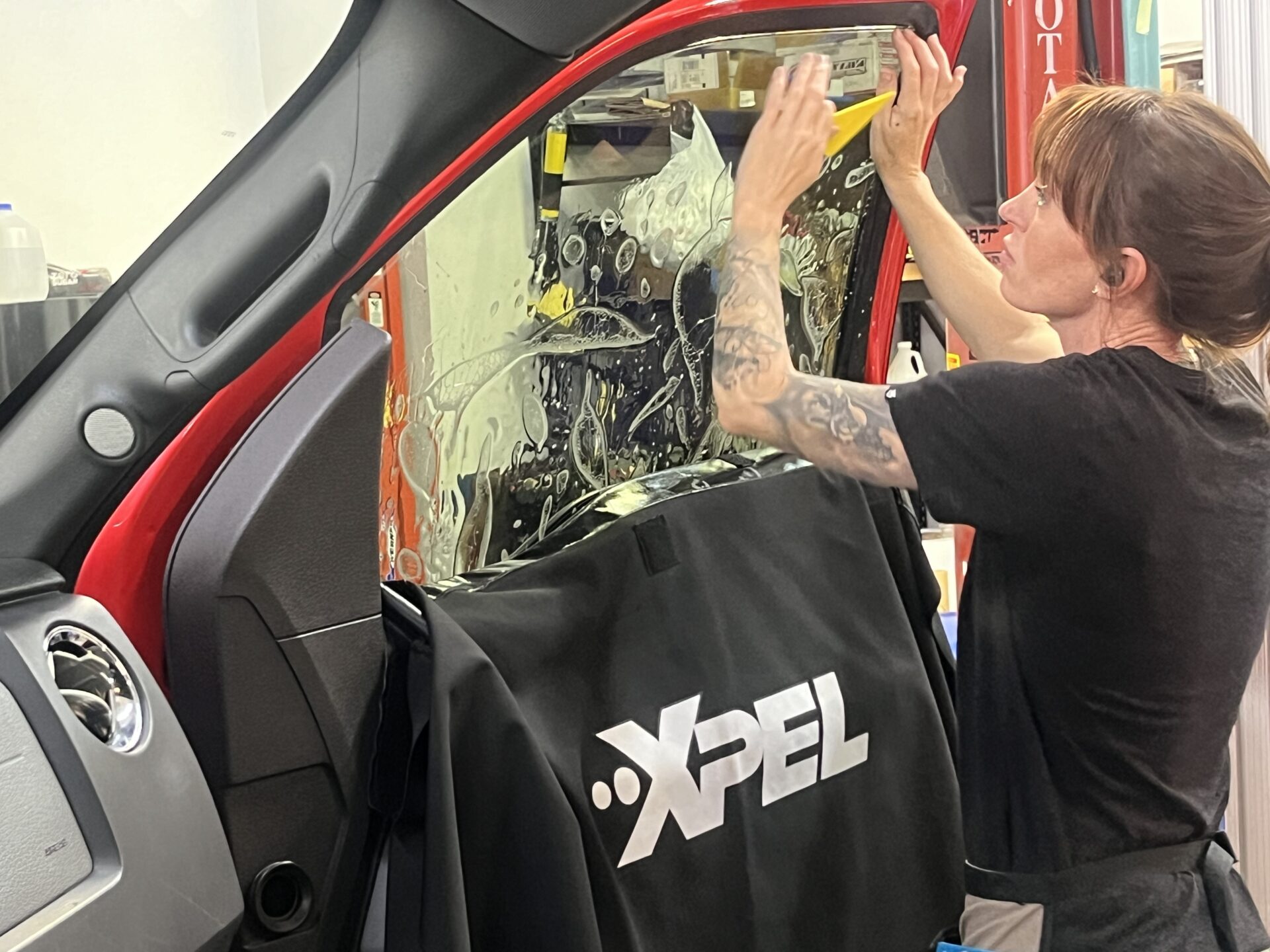
Neither option is something you want installed carelessly. Edges, surface prep, alignment, contamination control, and product quality all matter. A premium material installed poorly will not perform like a premium material installed with precision.
Where paint protection delivers the most value
The value is easiest to see in the places that normally age the fastest. Front bumpers collect peppering from road debris. Hoods and mirrors get blasted at highway speed. Door cups and door edges pick up scratches. Rocker panels take abuse from kicked-up grit. Those are ideal candidates for film.
Ceramic coating shows its value over the entire vehicle, especially in Oklahoma conditions where UV exposure, dust, bugs, and unpredictable weather can wear on unprotected paint. A coated vehicle tends to stay cleaner longer, wash more easily, and hold a sharper finish with less effort.
If you lease vehicles and turn them over quickly, the math may be different than it is for someone keeping a vehicle for seven to ten years. If you drive mostly local roads, you may not need the same level of front-end coverage as someone commuting long distances on the highway. That is why honest consultation matters. The best package is not always the biggest one. It is the one that fits how the vehicle is actually used.
What paint protection does not do
This part matters because unrealistic expectations are what make some people say paint protection does not work.
PPF and ceramic coatings are protective systems, not force fields. Film can reduce damage from common road hazards, but it can still be punctured or torn by severe impact. Ceramic coating helps resist contaminants and minor wash marring, but it will not make the paint scratch-proof. Neither product eliminates maintenance.
Paint protection also will not fix damaged paint underneath. If the surface already has swirl marks, chips, etching, or oxidation, those issues need to be corrected before protection is applied if you want the best result. The final look depends heavily on the condition of the paint before installation.
There is also a simple truth owners should hear upfront: cheaper products and rushed installs tend to create the stories where protection failed. Yellowing, lifting edges, trapped contamination, and poor durability are usually tied to quality shortcuts, not the idea of paint protection itself.
How long does car paint protection last?
That depends on the product, the installation quality, and how the vehicle is maintained after the work is done.
High-quality paint protection film can last for years and often includes features like self-healing top layers and resistance to yellowing. Professional ceramic coatings also offer multi-year durability when properly maintained. In both cases, lifespan is affected by sun exposure, washing habits, storage conditions, and the type of driving the vehicle sees.
A vehicle parked outdoors every day in full sun and driven on construction-heavy routes will naturally face more wear than a garage-kept weekend car. But even then, quality protection still provides a measurable benefit because it takes the abuse first.
Is car paint protection worth the money?
For many vehicle owners, yes. The real value is not just in avoiding cosmetic damage. It is in preserving the condition of the vehicle, reducing long-term correction costs, and making the car easier to maintain.
If you have ever paid for paint correction, touch-up work, or bumper repainting, you already know how quickly cosmetic repairs add up. Paint protection can reduce the need for those fixes, especially on the areas that take the most abuse. It also helps maintain a cleaner, better-kept appearance, which matters whether you plan to keep the vehicle, trade it in, or sell it later.
That said, not every driver needs a full wrap or the highest-tier package. Some owners are best served by partial front-end film and a ceramic coating. Others may only need a coating because their concern is gloss, sun exposure, and easier maintenance. The smart approach is not buying the most protection available. It is buying the right amount of protection for your goals.
Does car paint protection work better on new cars?
Yes, because there is less damage to correct before protection goes on. New vehicles are the ideal candidates since the paint is still in its best condition, even if some prep and polishing are often still needed. Protecting early helps lock in that showroom look before the first chips, wash marks, and environmental stains start stacking up.
That does not mean older vehicles are out of the conversation. If the paint is in good shape or can be professionally corrected, protection can still deliver strong results. In fact, owners restoring the look of a vehicle often choose protection right after correction so the finish stays cleaner and sharper longer.
The bottom line on paint protection
Paint protection works when it is chosen for the right reason and installed the right way. PPF is excellent for impact-prone areas. Ceramic coating is excellent for gloss, easier maintenance, and defense against the elements. Together, they offer a level of long-term preservation that ordinary waxes simply cannot match.
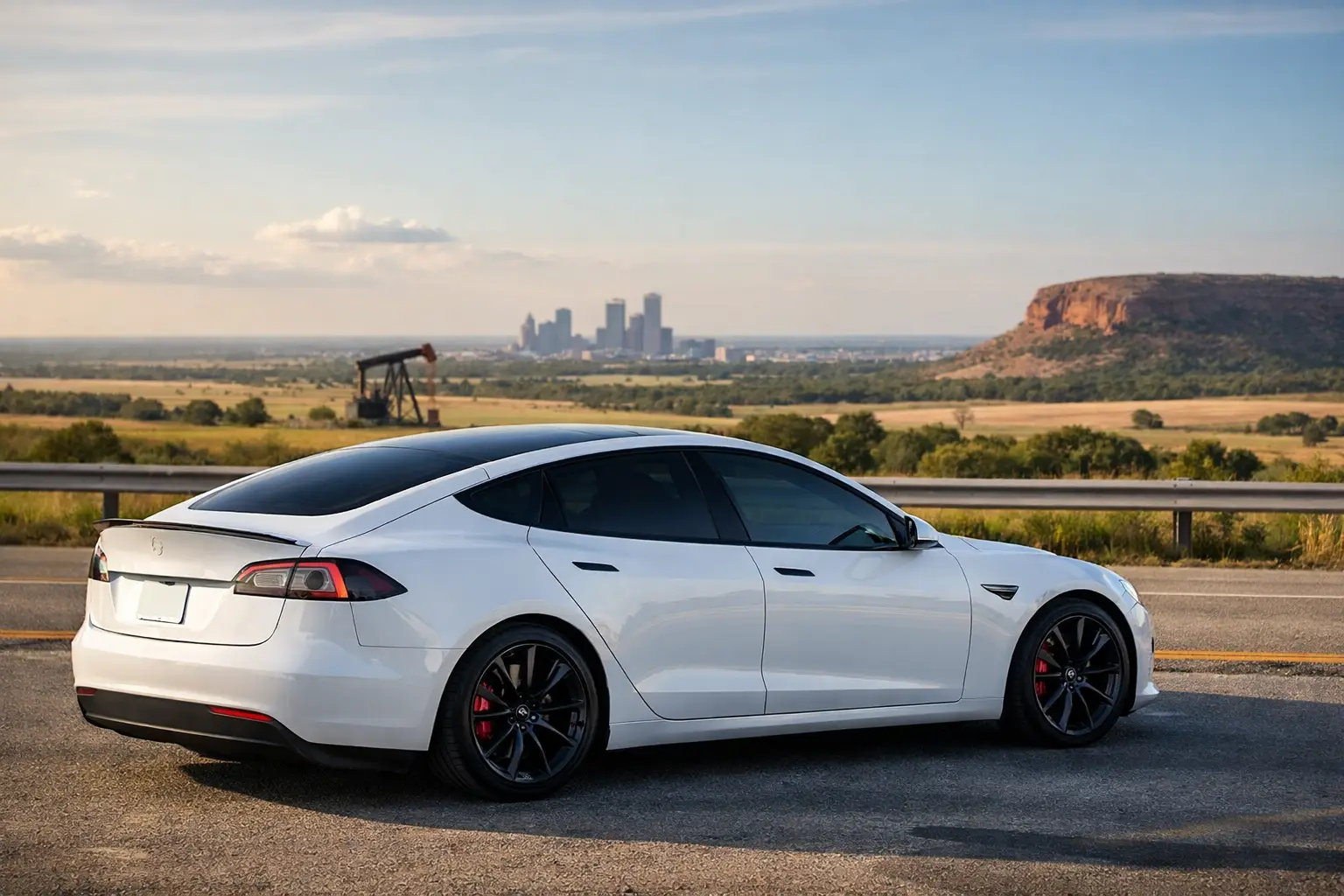
For drivers in Edmond, Oklahoma City, Norman, Moore, Mustang, and Yukon, that matters more than many people realize. Local roads, weather, heat, and daily use are tough on paint. A protected vehicle does not just look better in the driveway. It stands a better chance of staying that way.
If you care about keeping your vehicle looking sharp for years instead of months, paint protection is not hype. It is a practical investment in how your vehicle ages.