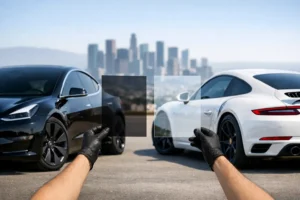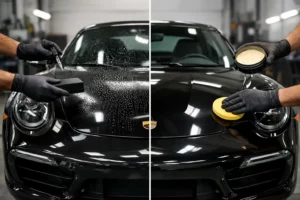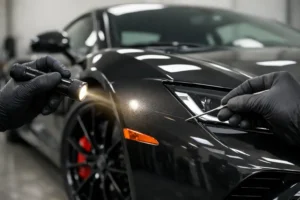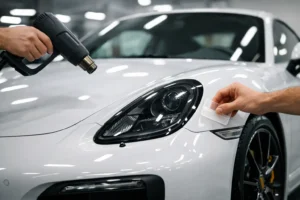
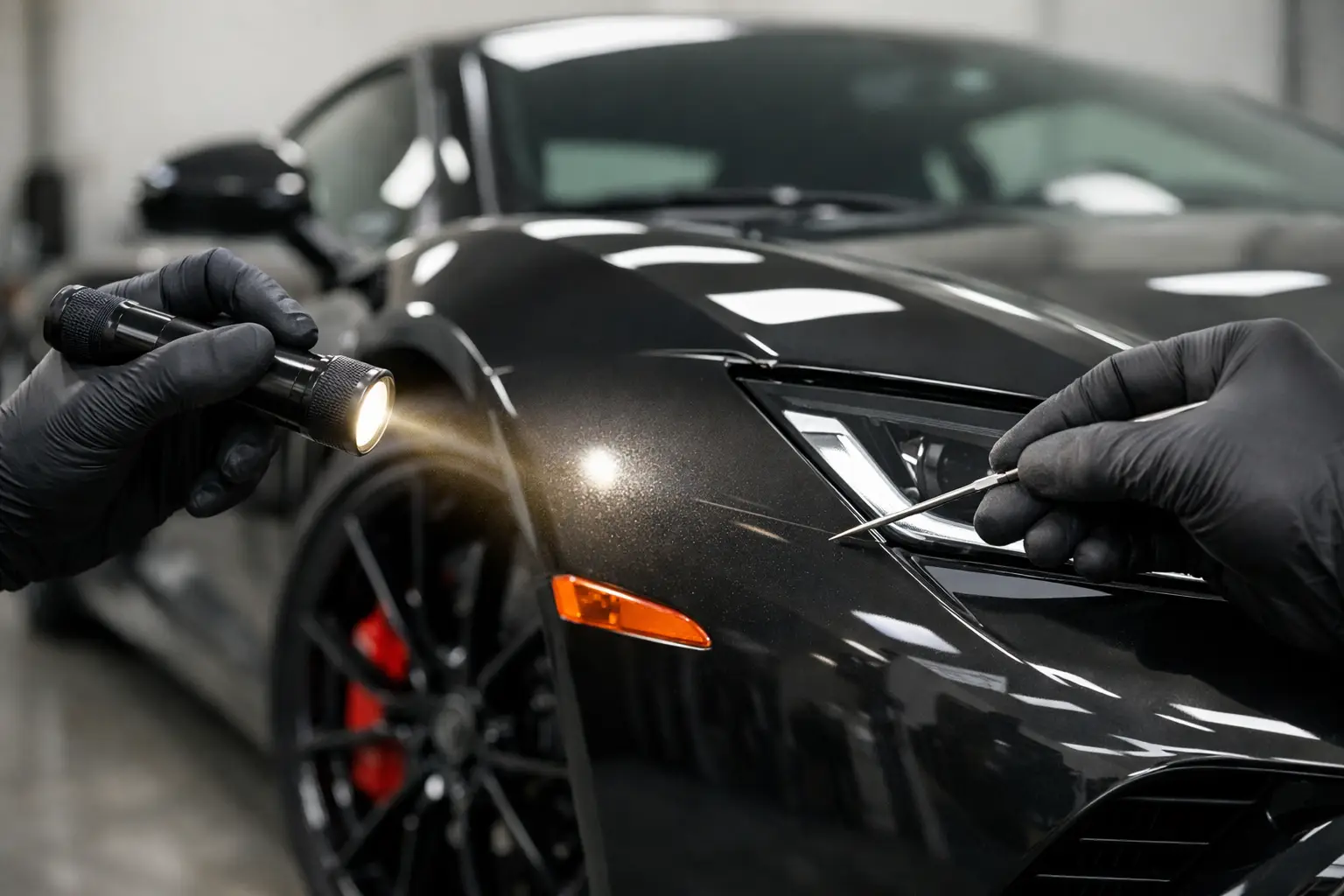
A black vehicle can look incredible in the showroom and frustratingly imperfect after a few careless washes. That is why owners often ask, do ceramic coatings prevent scratches? The honest answer is no, not completely. A professionally installed ceramic coating can reduce the light swirls and wash-induced marring that dull paint over time, but it is not a force field against keys, shopping carts, road debris, or deep contact damage.
A professional Ceramic coating from Superior Concepts, Edmond is still one of the smartest ways to preserve gloss and make routine maintenance easier. The key is choosing it for the protection it actually provides, then pairing it with paint protection film when physical impact resistance is the priority. It is important to understand what a ceramic coating will and will not do!
What a Ceramic Coating Actually Does
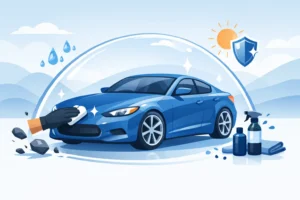
A ceramic coating is a liquid-applied protectant that chemically bonds with the vehicle’s clear coat. Once cured, it creates a durable, glossy surface that is more resistant to water, UV exposure, oxidation, bird droppings, bug residue, road film, and many common contaminants.
Its slick, hydrophobic finish is a major practical advantage. Water beads and rolls away more easily, dirt has less opportunity to bond to the surface, and washing the vehicle requires less aggressive contact. That matters because most fine scratches do not come from normal driving. They come from improper washing, drying, wiping dust from dry paint, or using dirty towels and brushes.
A coating also adds depth and clarity to the finish. On darker colors especially, that richer gloss can make a vehicle look freshly detailed far longer than unprotected paint. For Oklahoma drivers dealing with strong sun, pollen, bugs, sudden rain, and dusty roads, this combination of easier cleaning and environmental resistance provides real day-to-day value.
Do Ceramic Coatings Prevent Scratches From Washing?
Ceramic coatings can help reduce very light scratches, but they do not make paint scratch-proof. The distinction matters.
When people say a coating “prevents scratches,” they are usually describing resistance to fine wash marring and light swirl marks. Because the coated surface is slicker and contaminants release more readily, there is less friction during a careful wash. Less friction means fewer chances for tiny particles to drag across the paint and leave faint marks behind.
That benefit depends on the wash process. A ceramic-coated vehicle can still be scratched by a stiff brush at an automatic car wash, a contaminated sponge, or a towel dropped on the ground and used again. The coating improves the margin for error, but it cannot overcome poor maintenance habits.
Professional preparation also plays a role. If the paint has existing swirls, haze, or light defects, correcting them before applying the coating lets the coating lock in a sharper finish. A coating adds gloss, but it does not erase defects underneath it.
Hardness Ratings Are Not the Whole Story
Many ceramic coatings are marketed with a 9H hardness rating. This can be useful information, but it is frequently misunderstood. The rating generally refers to pencil hardness testing, not protection against every real-world object that can touch a vehicle.
A 9H-rated coating is not harder than a sharp rock, metal zipper, key, curb, or shopping cart. It will not stop a rock chip at highway speed. The vehicle’s clear coat, paint, and underlying panels can still be damaged by an impact that exceeds the coating’s thin protective layer.
Think of ceramic coating as a high-performance sacrificial layer that helps preserve the finish beneath it. It improves surface resistance and maintenance, but it is not a substitute for physical impact protection.
What Ceramic Coating Will Not Protect Against
Setting realistic expectations helps vehicle owners invest in the right service from the start. Ceramic coating is excellent for gloss, chemical resistance, UV protection, easier cleaning, and reducing light wash-related marring. It is not designed to stop deeper damage.
It will not reliably prevent rock chips on the front bumper, hood, fenders, mirrors, or lower doors. It will not stop a key scratch, a door ding, a scrape against a concrete post, or a careless person leaning something against the vehicle. It also cannot correct neglected paint, etched clear coat, or existing chips without proper paint correction or repair first.
This does not make ceramic coating less valuable. It simply means the best protection plan is based on how and where the vehicle is driven. A garage-kept weekend car has different needs than a daily driver traveling Oklahoma City highways every day.
Ceramic Coating vs. Paint Protection Film for Scratches
When scratch prevention is the primary concern, paint protection film, often called PPF or clear bra, is the stronger option. PPF is a thicker urethane film applied over painted surfaces. Its thickness gives it a level of physical protection that ceramic coating cannot match.
Quality PPF is designed to absorb and disperse the energy from small road debris. It can help protect vulnerable panels from rock chips, light abrasions, scuffs, and other impact-related damage. Many premium films also have self-healing properties, allowing light surface scratches in the film to disappear with heat from the sun or warm water.
That self-healing feature belongs to the film, not to a standard ceramic coating. Some advanced coatings may have limited heat-responsive surface behavior, but owners should not expect a ceramic coating to heal a meaningful scratch in the paint.
For high-impact areas, PPF is typically the better investment. Common coverage choices include the front bumper, partial or full hood, front fenders, mirror caps, rocker panels, door edges, and behind-the-wheel areas. Full-vehicle PPF provides the most complete paint protection for luxury, exotic, and high-value vehicles, though it comes with a higher initial investment.
Why Many Owners Choose Both
PPF and ceramic coating work exceptionally well together because they solve different problems. PPF handles physical road hazards. Ceramic coating adds hydrophobic performance, chemical resistance, and a slick, high-gloss finish across paint and film.
A practical approach for many daily drivers is PPF on the front-facing and high-wear areas, followed by ceramic coating on the entire exterior. This gives the vehicle meaningful impact protection where it needs it most while making every painted surface easier to maintain.
At Superior Concepts, the right recommendation starts with an honest look at the vehicle, its condition, and how it is used. There is no reason to pay for coverage that does not fit your driving habits, but there is also no benefit in expecting a coating to do work only PPF can provide.
How to Keep a Coated Vehicle From Getting Swirls
The best ceramic coating performs better when the vehicle is washed correctly. Avoid brushing dry dust from the paint, even if the vehicle only looks lightly dirty. Fine dust contains abrasive particles, and dragging them across the surface is one of the fastest ways to create swirls.
Use a pH-neutral car shampoo, clean microfiber wash mitts, and high-quality microfiber drying towels. Rinse thoroughly before making contact with the paint. If possible, use a two-bucket method or a quality rinseless wash process that keeps contamination away from the wash media.
Avoid automatic car washes with spinning brushes. Even a durable coating can be marred by brushes that have collected grit from hundreds of vehicles. Touchless washes are less risky for scratching, though their stronger chemicals can shorten the life of a coating if used frequently.
Contaminants should also be removed promptly. Bird droppings, tree sap, bugs, and hard-water spots can become more difficult to remove when left in place, especially during hot Oklahoma summers. The coating gives you more time and makes cleanup easier, but it should not be treated as permission to ignore the vehicle.
Is Ceramic Coating Worth It If It Does Not Stop Every Scratch?
For most owners, yes. Ceramic coating is worth considering because its value is broader than scratch resistance. It helps maintain a cleaner vehicle, enhances gloss, reduces wash-related wear when properly cared for, and protects against the environmental exposure that slowly makes paint look older.
It is particularly worthwhile for new vehicles, freshly corrected paint, and owners who want their vehicle to retain a polished, well-kept appearance without constant intensive detailing. It can also support resale value by helping preserve the finish buyers notice first.
The right expectation is simple: ceramic coating helps your paint stay cleaner, glossier, and better protected from daily environmental damage. For chips, deep scratches, and physical abrasion, paint protection film is the purpose-built solution. Start with the protection that matches your vehicle’s real risks, and every wash afterward becomes an easier step toward keeping it looking its best.
Always feel free to reach out to one of Superior Concepts knowledgeable staff members for any questions or scheduling!