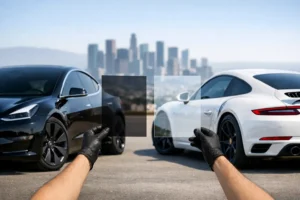
A fresh wash should not reveal every light mark from a parking lot, a drying towel, or a weekend drive. That is one reason paint protection film has become a smart investment for owners who want to preserve their vehicle’s finish. But does XPEL self heal? Many XPEL paint protection film products are designed with a self-healing topcoat that can repair light surface scratches and swirl marks when exposed to heat.
That capability is real, but it is not magic. Self-healing film will not erase a rock chip that penetrates the film, repair a deep scrape, or reverse damage that has reached the paint underneath. Understanding what the material can and cannot do helps you make a confident decision about protecting your vehicle.
Does XPEL Self Heal From Scratches?
XPEL’s self-healing paint protection film uses a clear elastomeric topcoat. When the surface is warmed by direct sunlight, warm water, or controlled heat, that top layer can flow back toward its original smooth appearance. Fine wash marring, light fingernail marks around door handles, and minor scuffs are the types of imperfections most likely to disappear.
The key word is surface. The self-healing property works on superficial marks in the film’s topcoat, not damage that cuts through the material. If a shopping cart leaves a deep gouge, a sharp object slices the film, or road debris tears through it, the film has done its job by taking the impact instead of allowing it to reach the factory paint. In that situation, the damaged section may need professional replacement.
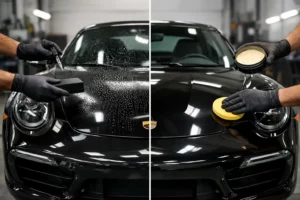
For many drivers, this distinction is still a major advantage. Paint without protection can retain swirl marks permanently unless it is polished, and polishing removes a small amount of clear coat. With self-healing PPF, many minor marks can fade without polishing the paint at all.
How Heat Activates Self-Healing Film
On a warm Oklahoma afternoon, sunlight can be enough to help light surface marks recover. A vehicle parked outside may look noticeably better after it has warmed up, especially on horizontal panels such as the hood, roof, and trunk.
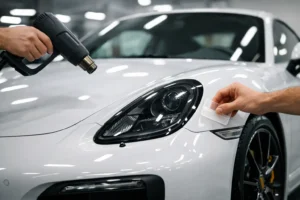
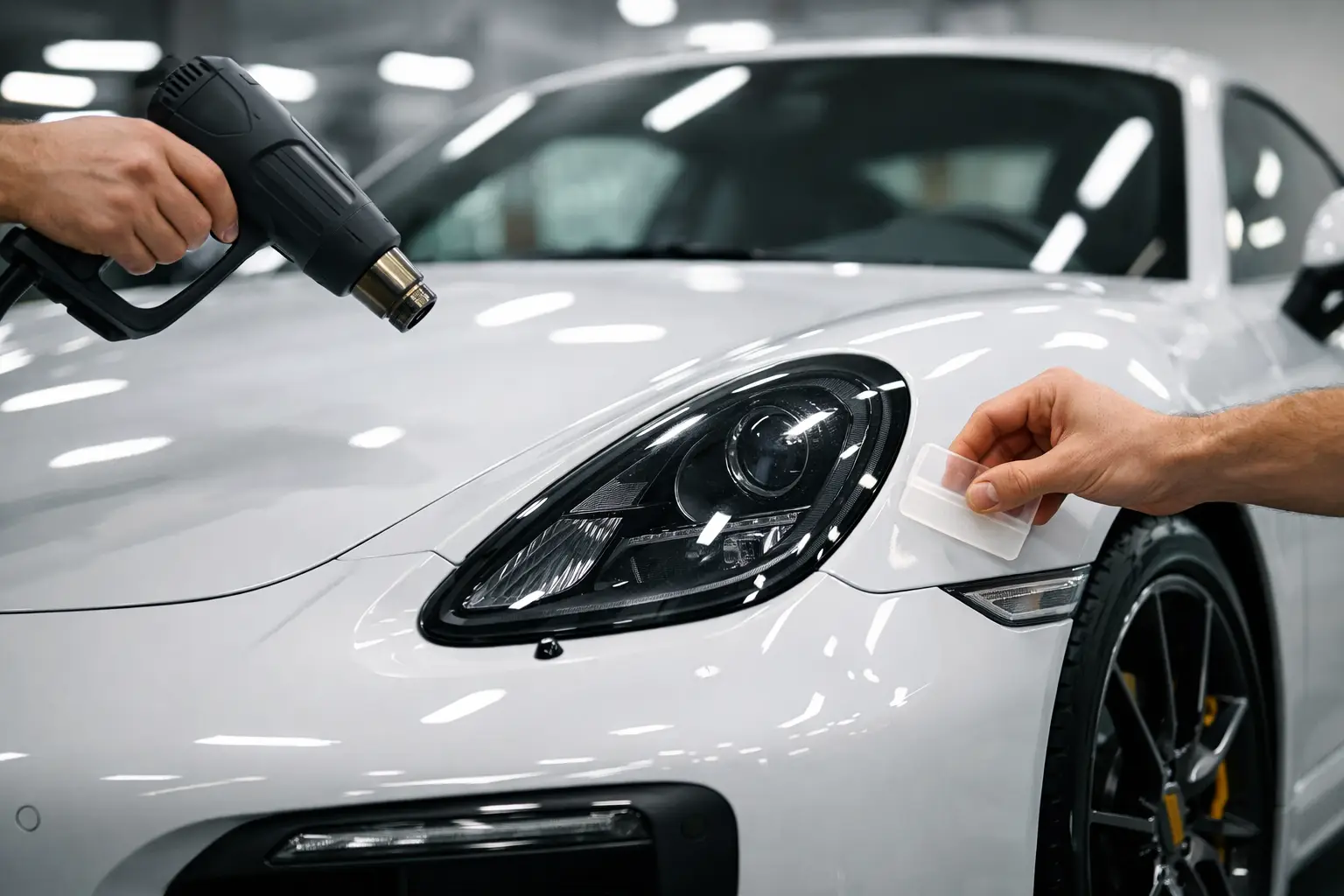
Warm water can also help encourage recovery after washing. Some owners use warm water on a small affected area, then allow the panel to dry naturally. A professional can use carefully controlled heat when appropriate, but excessive heat from a heat gun or other tool can damage the film, affect its adhesive, or create an uneven finish. It is better not to experiment with concentrated heat on an expensive vehicle.
Recovery is not always immediate. The depth of the mark, the film’s temperature, the age of the mark, and the surrounding conditions all matter. A very faint swirl may disappear quickly in the sun, while a more visible surface scuff may take additional warmth or time. If a mark remains after the film has had an opportunity to warm, have an experienced installer inspect it before attempting aggressive cleaning or polishing.
What Self-Healing XPEL Can Usually Improve
Self-healing film is especially useful against the small cosmetic wear that accumulates during normal ownership. This can include light wash-induced swirls, superficial towel marks, minor scuffs, and fingernail scratches near handles or trunk openings.
It is also valuable because it helps preserve the visual clarity of high-impact areas. The front bumper, hood, fenders, mirror caps, rocker panels, and door edges see constant exposure to dust, road grit, bugs, and incidental contact. Those areas can begin to look tired long before the rest of the vehicle if they are left unprotected.
What It Cannot Repair
A self-healing topcoat cannot reconstruct missing material. Deep cuts, punctures, heavy abrasion, rock impacts that tear the film, and damage beneath the film will not heal. Neither will dents, paint chips already present before installation, or stains that have permanently altered the surface.
This is not a shortcoming unique to XPEL. Paint protection film is a sacrificial barrier. When a hard impact damages the film, it may have prevented a more expensive paint repair. Replacing a section of film is often a far better outcome than repainting a bumper or blending color across adjacent panels.
Not Every XPEL Product Has the Same Features
When people ask whether XPEL self heals, they are usually referring to XPEL paint protection film, not every product in the XPEL lineup. Film construction and features can vary by product line, finish, and intended application. Clear gloss film, satin or matte film, colored film, window film, and ceramic coating products should not all be assumed to perform the same way.
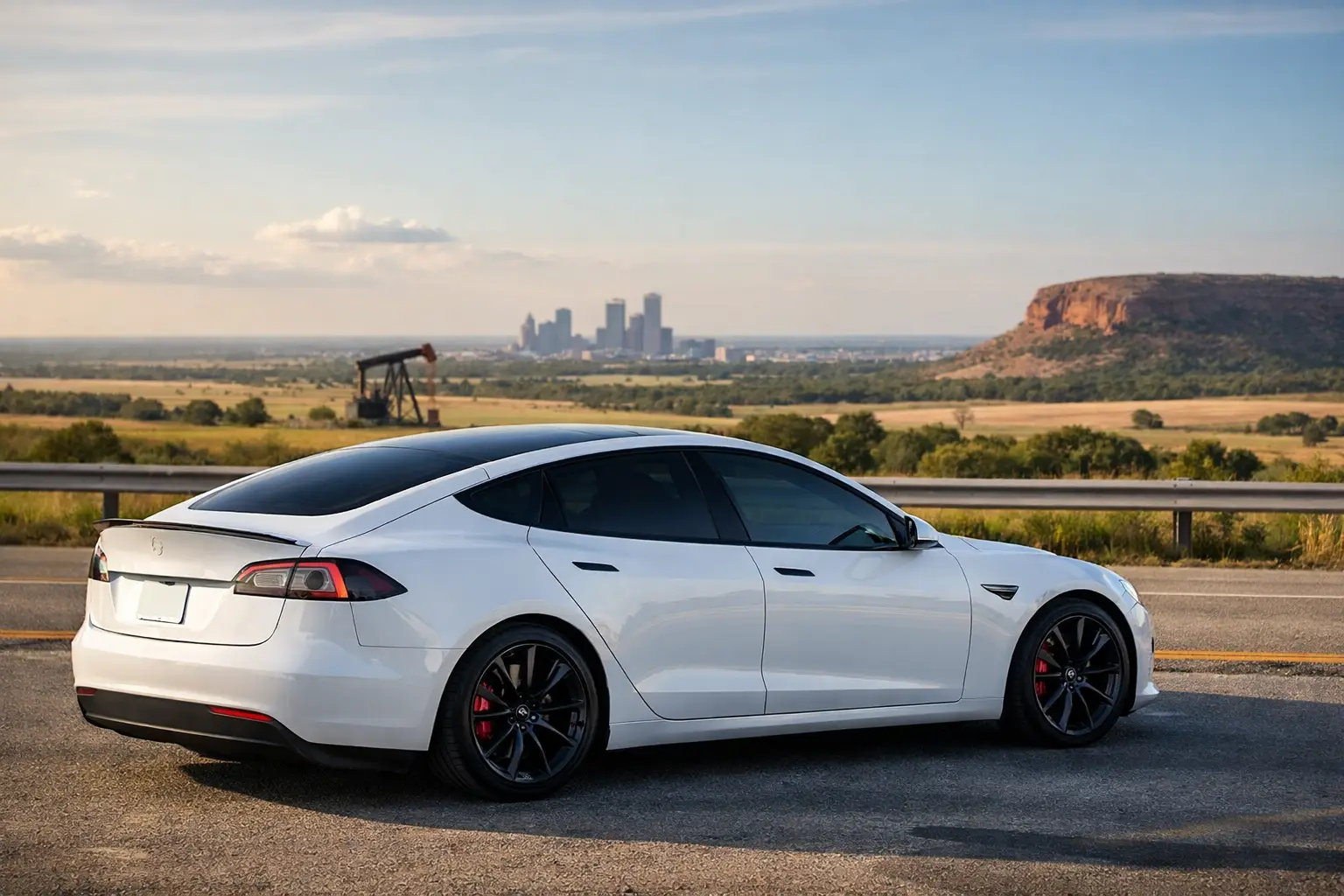
That is why product selection matters as much as the brand name. A quality installer should explain which film is being used, where it will be installed, and what level of coverage makes sense for your driving habits. A daily commuter traveling highways around Oklahoma City faces different risks than a weekend sports car that spends most of its time in a garage.
For some owners, a full-front package is the practical choice because it protects the panels most exposed to road debris. Others prefer full vehicle coverage for maximum paint preservation, especially on dark-colored vehicles where swirl marks and chips are highly visible. The best choice depends on your vehicle, budget, and long-term ownership plans.
Self-Healing PPF Still Needs Proper Care
Self-healing film reduces maintenance headaches, but it does not eliminate the need for careful washing. Dirt and road film are abrasive. Rubbing them across the surface with a dry towel can still create marks, and even though many may heal, there is no reason to create unnecessary wear.
Wash the vehicle regularly with pH-balanced automotive products, clean microfiber towels, and proper technique. Rinse away loose contamination first, use good lubrication during the wash, and avoid harsh brushes at automatic car washes. Touchless washes are generally gentler than brush tunnels, though they may not remove heavy grime as effectively.
Avoid strong solvents, abrasive compounds, and harsh cleaners unless they are specifically approved for the film. If bird droppings, bug residue, fuel spills, tree sap, or other contaminants land on the vehicle, remove them promptly. PPF offers meaningful protection, but allowing contaminants to bake on any exterior surface for extended periods is never ideal.
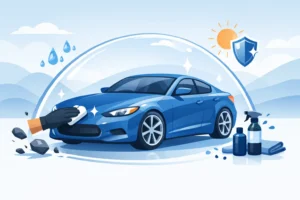
Ceramic coating can be applied over compatible paint protection film to improve water behavior and make routine cleaning easier. It does not make the film invincible, and it does not replace the film’s impact protection. Think of PPF as the physical barrier and a coating as an added maintenance and appearance benefit.
Installation Quality Determines the Result
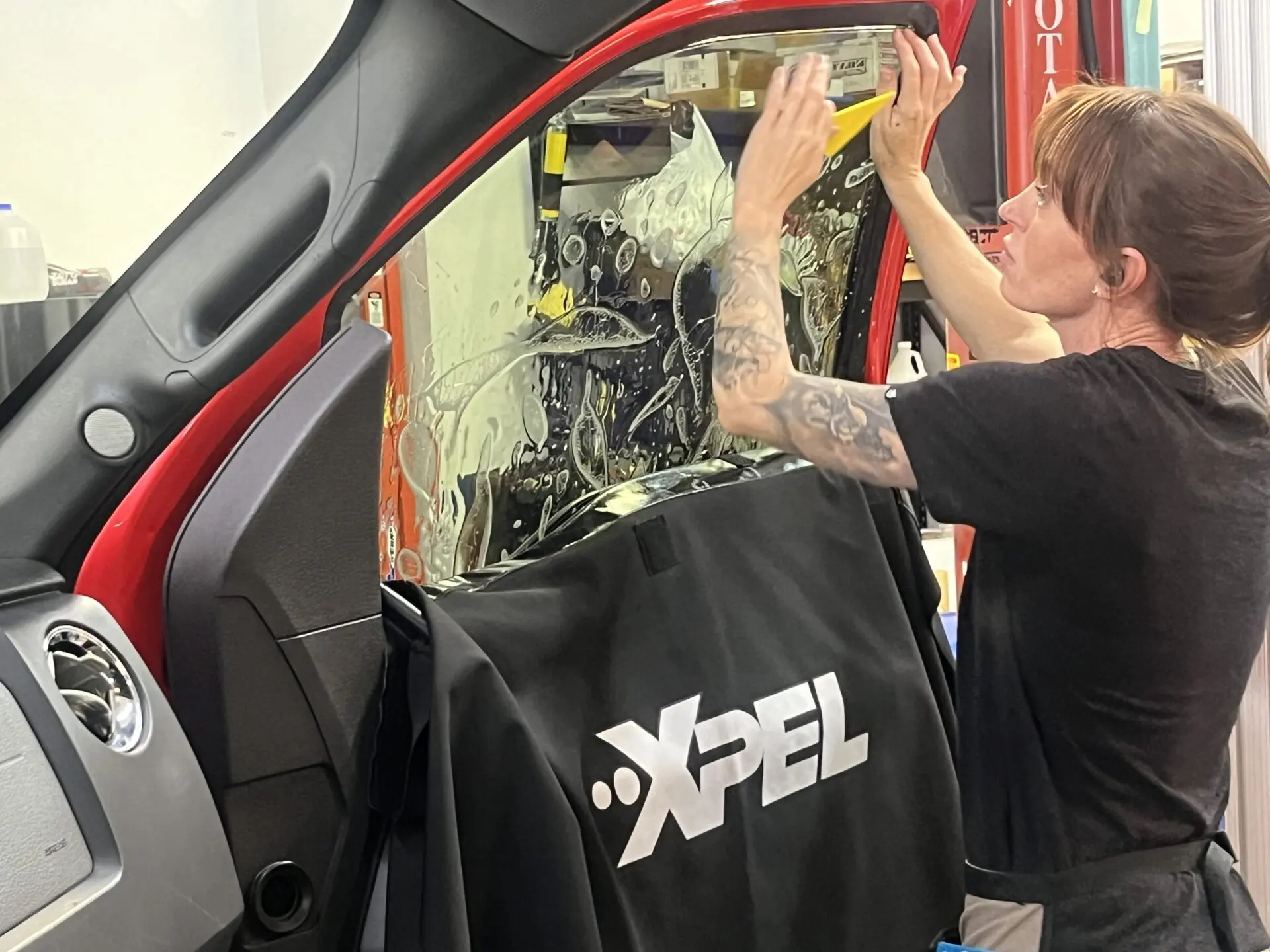
Premium film deserves precise installation. The material needs to be properly fitted, aligned, and finished around edges, sensors, badges, and complex body lines. Poor preparation can trap contamination, while careless trimming can put the vehicle’s paint at risk. The film’s self-healing properties cannot compensate for a rushed installation.
At Superior Concepts, the focus is on matching the coverage and finish to the vehicle rather than treating every car the same. For Edmond and greater OKC-area owners, professional installation also means having a knowledgeable team available to answer care questions, inspect a concern, and help protect the long-term value of the vehicle.
A quality installation should look nearly invisible once the film has settled. You may see faint installation moisture or minor visual changes immediately after application, particularly around complex areas, but these typically resolve during the curing period. Your installer should provide realistic aftercare instructions and explain what to expect.
When to Ask an Installer for Help
If a mark does not improve with normal warmth and washing, do not assume the film has failed. It may simply be deeper than the self-healing topcoat can address. The staff at Superior Concepts can determine whether the issue is surface marring, contamination, a stain, adhesive damage, or a cut that requires replacement. Feel free to reach out.
This is particularly worthwhile before using a polish, scraper, strong chemical, or high heat. The wrong approach can turn a manageable cosmetic concern into a damaged film panel. In many cases, a quick professional assessment provides a simple answer and preserves the finish you paid to protect.
The real value of self-healing XPEL is not that a vehicle will never show wear. It is that normal ownership leaves fewer lasting reminders. When light marks fade instead of sending you to the paint correction shop, your vehicle can hold onto that clean, well-kept appearance for far longer.