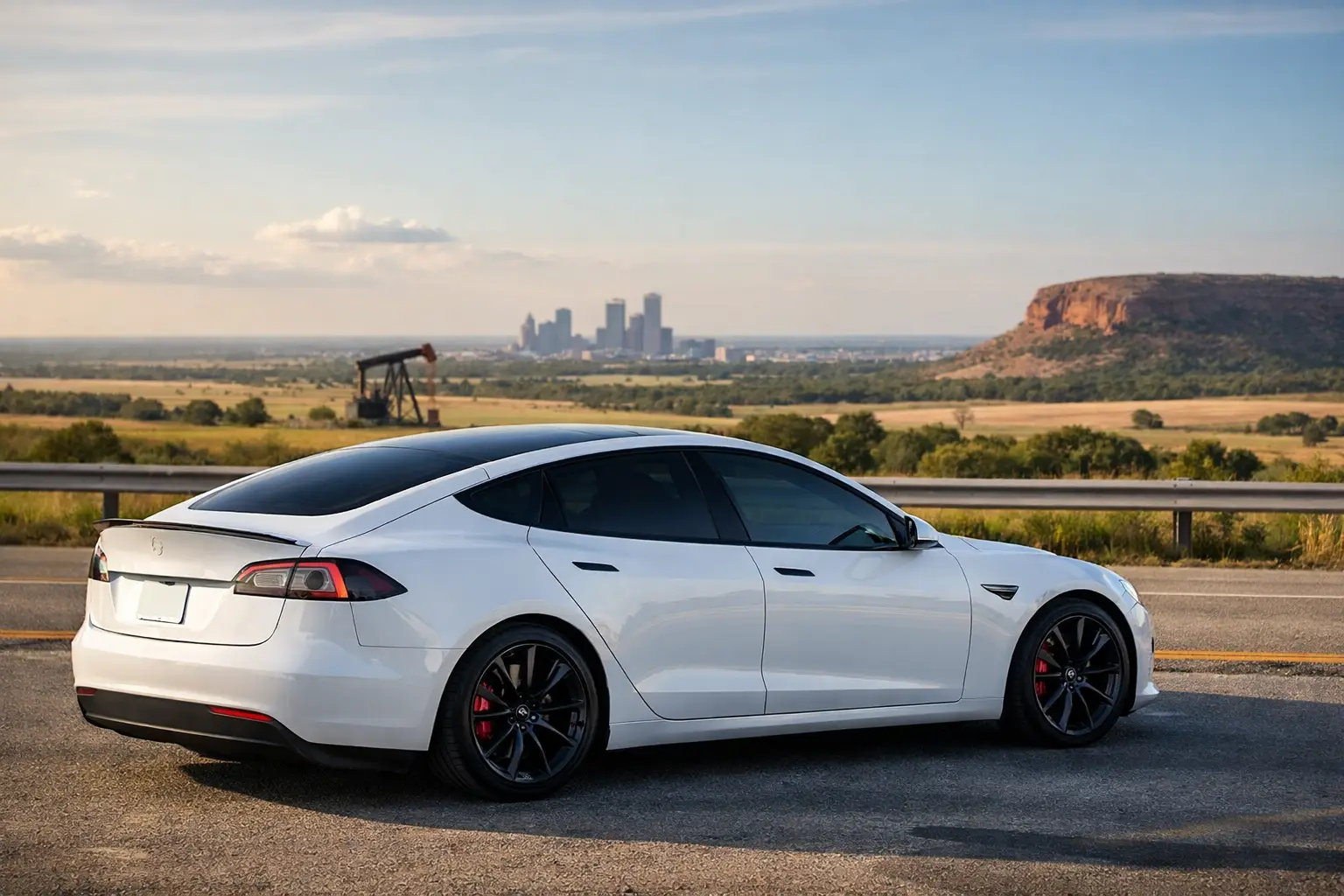
A dark-looking vehicle may turn heads, but the best window tint shades do much more than change its appearance. In Edmond and across the OKC Metro, the right tint can make a daily commute more comfortable, reduce glare during bright Oklahoma afternoons, and help protect the interior surfaces that affect long-term resale value.
The right shade is not automatically the darkest one. It is the shade that fits how you drive, what you want to see from inside the cabin, the level of privacy you prefer, and applicable Oklahoma tint requirements. Premium film and precise installation matter just as much as the number printed on the shade chart.
Understanding Window Tint Shades and VLT
Window tint is measured by Visible Light Transmission, or VLT. This percentage describes how much visible light passes through the glass and film together. A higher percentage is lighter. A lower percentage is darker.
For example, 50% VLT allows about half of visible light through, while 20% VLT allows substantially less. The factory glass on your vehicle also affects the final reading. That is why a professional installer measures the finished result rather than assuming a film labeled 35% will produce a 35% final VLT on every vehicle.
Tint shade and heat rejection are related, but they are not the same thing. A very dark dyed film may provide privacy while offering less heat control than a lighter, high-quality ceramic film. If your priority is cooler seats, less strain on the air conditioning system, and better UV protection, film technology deserves as much attention as shade.
Best Window Tint Shades for Your Driving Needs
There is no universal best choice. The most practical shade for a family SUV that spends hours in traffic may be different from the right choice for a weekend performance car or a work truck parked in direct sun.
50% VLT: Light, Clean, and Easy to Live With
A 50% shade offers a subtle factory-plus look. It cuts some glare and provides UV protection without dramatically changing outward visibility or the view from inside the vehicle. This is a strong option for drivers who frequently travel at night, want a polished appearance, or prefer tint that does not look overly dark.
It is also a sensible choice for windshields when a clear or nearly clear heat-rejecting film is used where permitted. Windshield film should always be selected and installed with legal placement requirements in mind.
35% VLT: The Balanced Everyday Choice
For many Oklahoma drivers, 35% sits in the sweet spot between appearance, comfort, and usable nighttime visibility. It gives sedans, trucks, and SUVs a noticeably more refined look while retaining a clear view of mirrors, side streets, and parking areas after dark.
This shade is especially popular on front doors when owners want the front and rear glass to feel visually balanced. With a premium ceramic film, 35% can deliver significant comfort improvements without making the cabin feel closed in.
25% to 20% VLT: Added Privacy and a Stronger Look
Shades in the 25% to 20% range make a more confident visual statement. They offer meaningful privacy for vehicles carrying tools, gear, or personal belongings, and they can help reduce the harshness of bright sunlight on long drives.
The trade-off is nighttime visibility. On poorly lit roads, in heavy rain, or while backing into a dark driveway, darker side glass requires more attention. This range can work well for rear windows on SUVs and trucks, particularly when paired with a lighter front shade that supports safe driving and compliance.
15% to 5% VLT: Maximum Privacy, Limited Visibility
Very dark tint provides the strongest privacy effect and a bold, custom appearance. It is often requested for rear glass on certain vehicles, but it is not the right answer for every driver or every window. Dark film can make it harder to see pedestrians, curbs, and cross traffic at night.
It may also create legal issues depending on the window and the final VLT reading. Before choosing a very dark shade, consider where you drive most often, whether you park in dim garages, and how much nighttime driving you do.
Oklahoma Tint Limits Should Shape the Decision
Window tint laws are part of the decision, not an afterthought. Oklahoma regulations limit how dark tint can be on certain windows and can also address reflectivity and windshield coverage. Medical exemptions may apply in specific circumstances, but they require proper documentation.
Because laws can change and factory glass affects the final measurement, it is smart to discuss the intended shade with a qualified local installer before work begins. A professional shop can help you choose a legal, clean-looking configuration instead of leaving you with film that looks good initially but may create problems later.
For many vehicles, a balanced setup is more effective than applying one very dark shade everywhere. A lighter front-door film with a darker rear section can preserve visibility for the driver while adding privacy for passengers and cargo. The exact configuration depends on your vehicle, the film selected, and current legal requirements.
Choose Film Performance, Not Just Darkness
A tint job should improve the way your vehicle feels every time you get behind the wheel. That result comes from the film itself and the quality of the installation.
Dyed film is generally the entry-level option. It can enhance appearance and reduce some glare, but it may fade over time and does not typically provide the same heat rejection as higher-grade products. Metallic films can reject heat effectively, though they may interfere with electronic signals in some applications.
Ceramic window film is often the premium choice for drivers who want serious heat rejection, UV protection, and clear signal performance. It uses non-metallic ceramic particles to manage solar energy without relying on extreme darkness. A lighter ceramic tint can outperform a darker basic film when comfort is the goal.
For owners protecting a new vehicle or preserving a luxury interior, this matters. UV exposure can contribute to fading, drying, and premature wear on leather, trim, dashboards, and upholstery. Quality window tint supports a more comfortable cabin while helping safeguard the details that make a vehicle feel well cared for.
How Vehicle Type Changes the Right Shade
A coupe with limited rearward visibility calls for a different approach than a full-size SUV. Sports cars often benefit from a moderate tint that reduces glare but does not compromise sightlines. Sedans can carry a uniform, tasteful shade exceptionally well, especially when the film complements the paint color and interior.
SUVs and trucks usually give owners more flexibility on the rear glass because the cargo area benefits from extra privacy. For families, a darker rear section can help make back-seat rides more comfortable without forcing the driver to manage very dark front windows.
Commercial vehicles and daily work trucks may prioritize heat control and the security of covered equipment. In that case, a ceramic film with practical rear privacy can be a better long-term investment than choosing darkness alone.
Installation Quality Protects the Finished Look
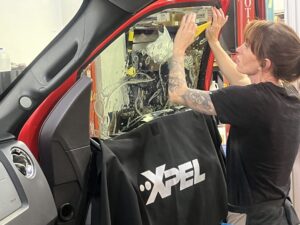
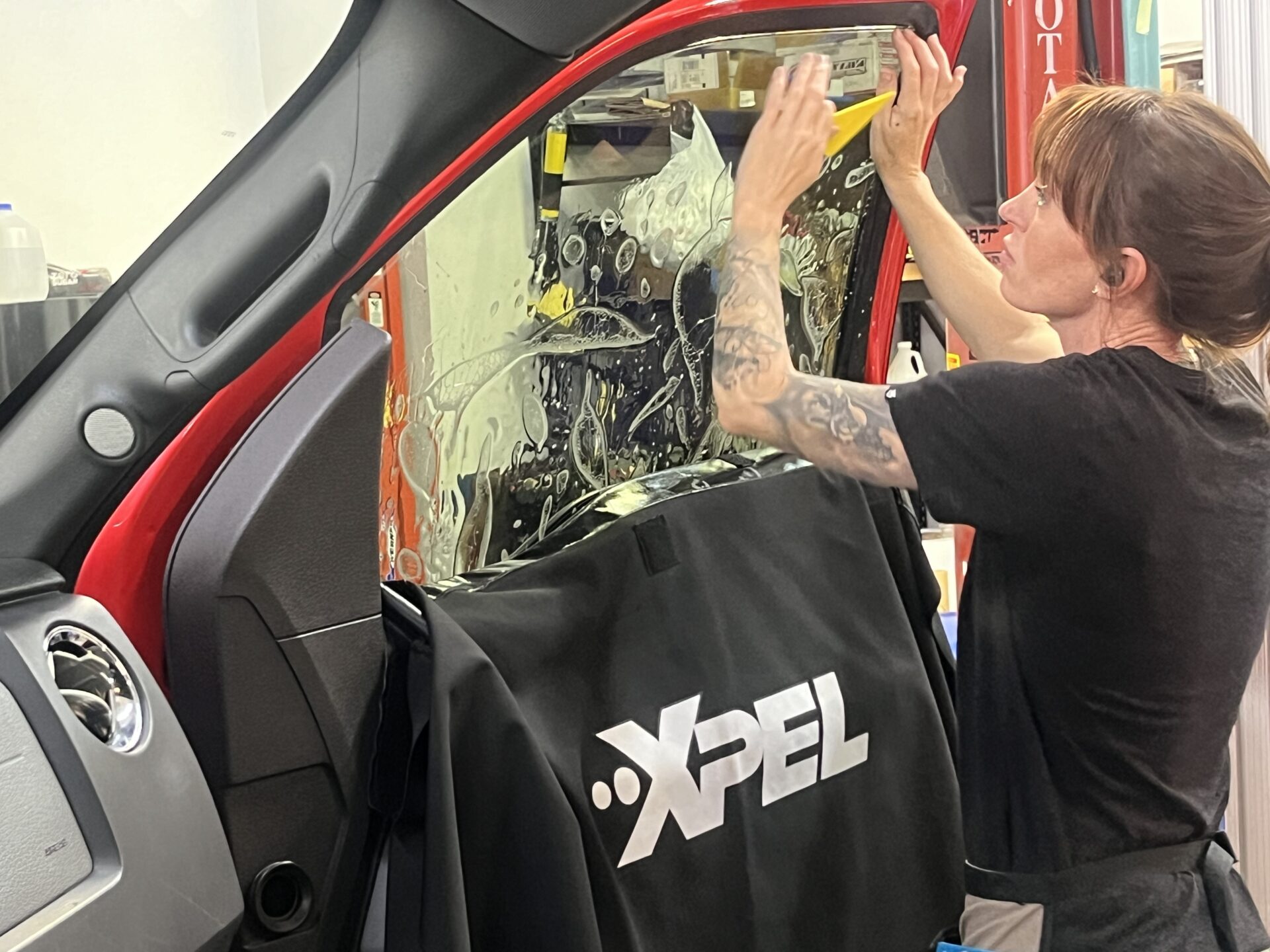
Even the best film can disappoint when installed without precision. Clean edges, proper shrinking on curved rear glass, careful preparation, and a dust-controlled workspace all influence the final result. A high-quality installation should look integrated with the vehicle, not like an add-on with visible gaps, trapped debris, or uneven lines.
Tint also needs time to cure. During the initial curing period, small water pockets or a slightly hazy appearance can be normal, especially in cooler or humid conditions. Avoid rolling down the windows until the installer says it is safe, and follow the recommended care instructions to protect the film and its warranty.
At Superior Concepts, the tint conversation starts with how you use your vehicle, not with a push toward the darkest available option. A careful recommendation considers visibility, legal compliance, heat rejection, interior protection, and the finish you want to see every time you walk back to your vehicle.
The best shade is the one that keeps your cabin cooler, your view confident, and your vehicle looking intentional for years to come.