A vehicle can be freshly washed and still look tired in the sun. Circular swirls, dull haze, water-spot etching, and fine scratches scatter light across the clear coat, taking away the depth and clarity you expect from the finish. Paint correction is the professional process of refining that damaged surface so the paint reflects cleanly again – often producing a dramatic difference without repainting the vehicle.
For owners who care about preserving a new purchase, restoring a well-kept daily driver, or preparing a performance or luxury vehicle for long-term protection, correction is often the step that makes every other appearance service look better.
What Paint Correction Actually Does
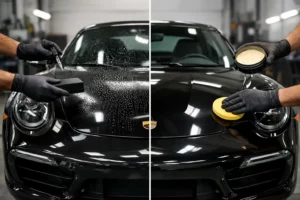
Modern automotive paint is generally made up of a color layer protected by a transparent clear coat. Most visible swirls and light scratches are not deep cuts through the color. They are tiny, uneven marks in that top clear layer. Under direct sunlight or garage lighting, those marks catch and scatter light, which is why a dark vehicle can look gray or cloudy even after a wash.
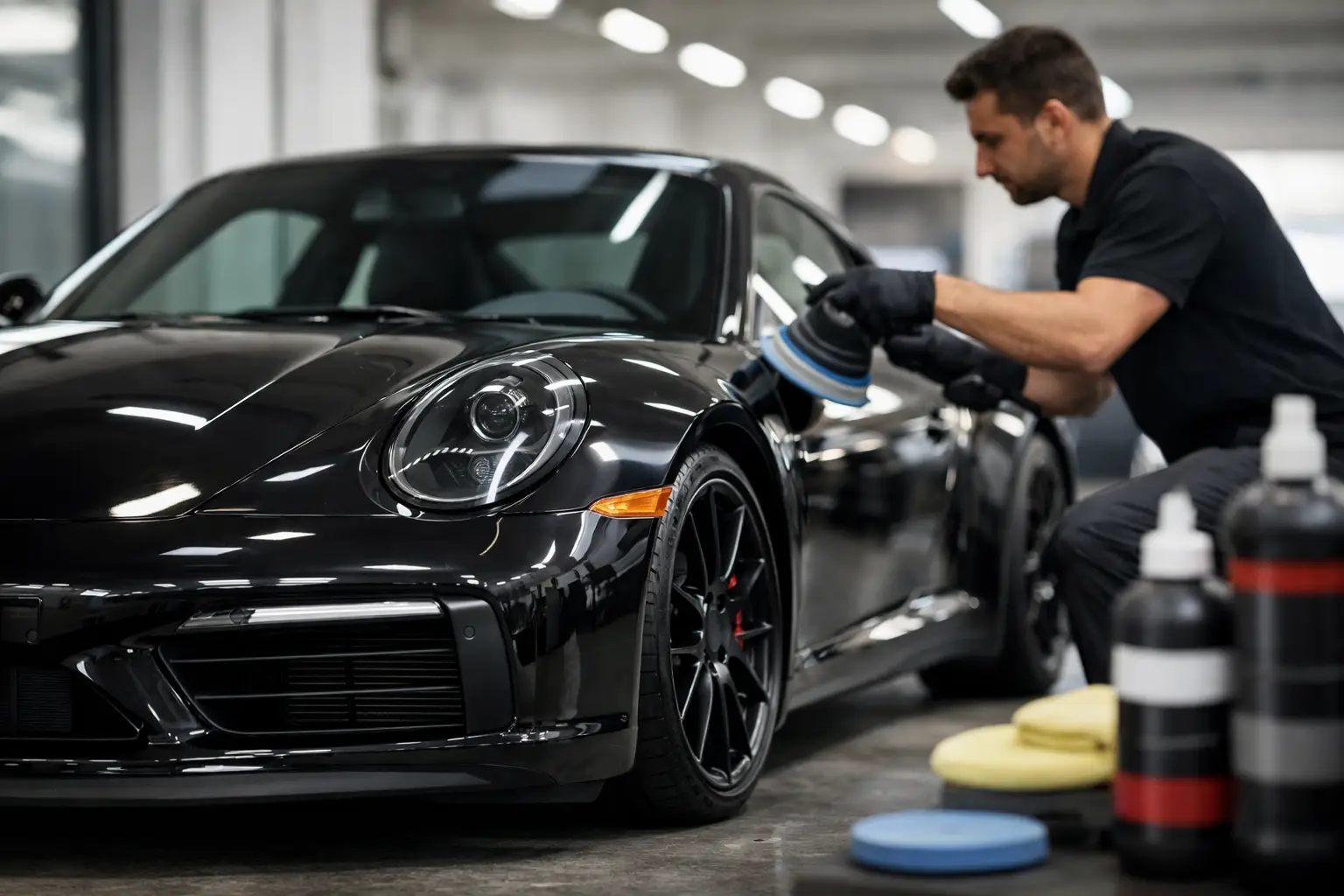
Paint correction carefully levels a very small amount of clear coat around those defects. A trained technician uses machine polishers, appropriate pads, paint-safe compounds, and finishing polishes to refine the surface. The goal is not to aggressively remove material. It is to remove only what is necessary to create a clearer, more uniform finish.
The result is richer color, sharper reflections, and a smoother appearance. On black, dark blue, red, and other deep colors, the change can be especially noticeable. Lighter colors benefit too, though the improvement may show more in gloss and surface clarity than in the removal of obvious swirl marks.
Correction Is Not the Same as a Wax or Ceramic Coating
Wax, sealants, and ceramic coatings can add gloss and temporarily mask very light imperfections, but they do not remove scratches or swirl marks from the clear coat. Once those products wear down, the defects remain.
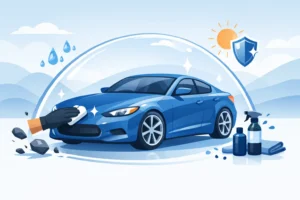
A ceramic coating is best viewed as protection for a corrected finish. It adds chemical resistance, improves water behavior, and makes routine cleaning easier, but it cannot repair neglected paint. Applying a coating over swirls may make the vehicle shinier, yet those defects can still be visible beneath the coating in the right light.
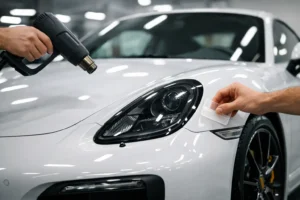
Paint protection film serves a different purpose. PPF is designed to shield vulnerable painted surfaces from rock chips, road debris, and everyday abrasion. For a new vehicle, a light correction may be appropriate before film or coating installation to ensure the finish underneath is as clean and refined as possible.
When Your Vehicle Is a Good Candidate for Paint Correction
The best way to determine whether correction makes sense is through an in-person inspection. Paint condition, paint type, vehicle age, previous bodywork, and your expectations all influence the right approach.
A vehicle is commonly a strong candidate when it has wash-induced swirls, towel marks, light scratches, oxidation, hazy paint, bug residue staining, or mineral deposits that have etched the surface. These issues are especially common on vehicles that have spent time in automatic car washes or have been cleaned with worn wash mitts, rough towels, or improper techniques.
New vehicles can also benefit. Dealership washing, transport, lot exposure, and rushed delivery preparation can leave a brand-new car with noticeable paint defects before it ever reaches your driveway. A correction service can refine those flaws before adding ceramic coating or paint protection film.
There are limits. A scratch that catches a fingernail may extend too deeply through the clear coat for safe removal. Deep rock chips, peeling clear coat, dents, paint transfer that has damaged the finish, and panels with failing prior repairs may require touch-up, bodywork, or repainting instead. An experienced shop should explain this distinction clearly rather than promise every mark will disappear.
Choosing the Right Level of Correction
Not every vehicle needs the same amount of polishing. The right service should fit the vehicle’s condition and the owner’s priorities.
A one-step correction is often a practical choice for newer vehicles or daily drivers with moderate swirl marks and dullness. It focuses on improving overall gloss and reducing a substantial portion of visible defects without pursuing every isolated imperfection. This option can provide a meaningful visual upgrade while preserving clear coat and keeping the project efficient.
A multi-step correction is more intensive. It may involve a cutting stage to address heavier defects followed by a finishing stage that maximizes clarity and gloss. This approach is often selected for dark-colored vehicles, collector cars, enthusiast-owned vehicles, or owners seeking the strongest possible visual result before a ceramic coating or PPF installation.
Perfection is not always the goal, and it is not always the safest choice. Removing every visible defect can require more clear-coat removal than is appropriate for a vehicle’s paint history. A quality correction balances appearance with preservation. The best result is a finish that looks exceptional while retaining a healthy margin of paint for the future.
Why Professional Inspection Matters
Paint correction is not simply a matter of running a polisher over a panel. Different manufacturers use different paint systems. Some clear coats are relatively soft and correct quickly but can be easy to mar during finishing. Others are hard and durable, requiring more time and a more deliberate combination of tools and products.
A professional process begins with decontamination and close inspection. The surface must be clean before polishing, since bonded contaminants can interfere with the work or cause additional marring. Technicians evaluate defects under proper lighting and may measure paint depth to identify panels that have been repainted or have limited material available.
Edges, body lines, badges, trim, and previously repaired panels all require additional caution. This is where experience matters. A rushed correction can leave holograms, uneven results, stained trim, or excessive clear-coat removal. Precision creates the kind of finish that looks as good in Oklahoma sun as it does under shop lights.
Protecting the Finish After Correction
Correction restores the appearance of paint, but it does not make the finish immune to future wear. The protection you choose afterward should reflect how and where you drive.
For a vehicle that regularly sees highway miles, paint protection film on high-impact areas can help prevent new chips and scuffs where they are most likely to occur. Full-front coverage is a popular choice for owners who want to preserve the bumper, hood, fenders, mirror caps, and other leading surfaces.
A ceramic coating is an excellent option for owners who want durable gloss, easier washing, and increased resistance to UV exposure, road grime, and chemical contamination. It will not stop rock chips, but it helps keep a corrected finish cleaner and makes maintenance more manageable.
Proper washing habits matter just as much as premium protection. Use clean, high-quality wash media, avoid harsh brushes, and dry with soft microfiber towels. Automatic car washes can be convenient, but brush systems are a frequent source of fresh swirls. A carefully maintained vehicle holds its gloss longer and reduces the need for repeated correction.
Is Paint Correction Worth It?
For many owners, the value is immediate: the vehicle looks cleaner, deeper, and better cared for every time it is parked in the driveway or pulled into the garage. It can also support resale appeal, particularly when paired with consistent maintenance and documented professional protection.
Still, paint correction should be chosen for the right reason. If your vehicle is a working daily driver and minor marks do not concern you, a less intensive enhancement may be the sensible route. If you have invested in a new truck, a luxury SUV, a weekend sports car, or a vehicle you plan to keep for years, refining the paint before protecting it can be a worthwhile decision.
At Superior Concepts, the right recommendation starts with the condition of the vehicle, not a one-size-fits-all package. A close inspection can show what the paint can safely achieve and help you choose protection that keeps the finish looking exceptional long after the correction work is complete.