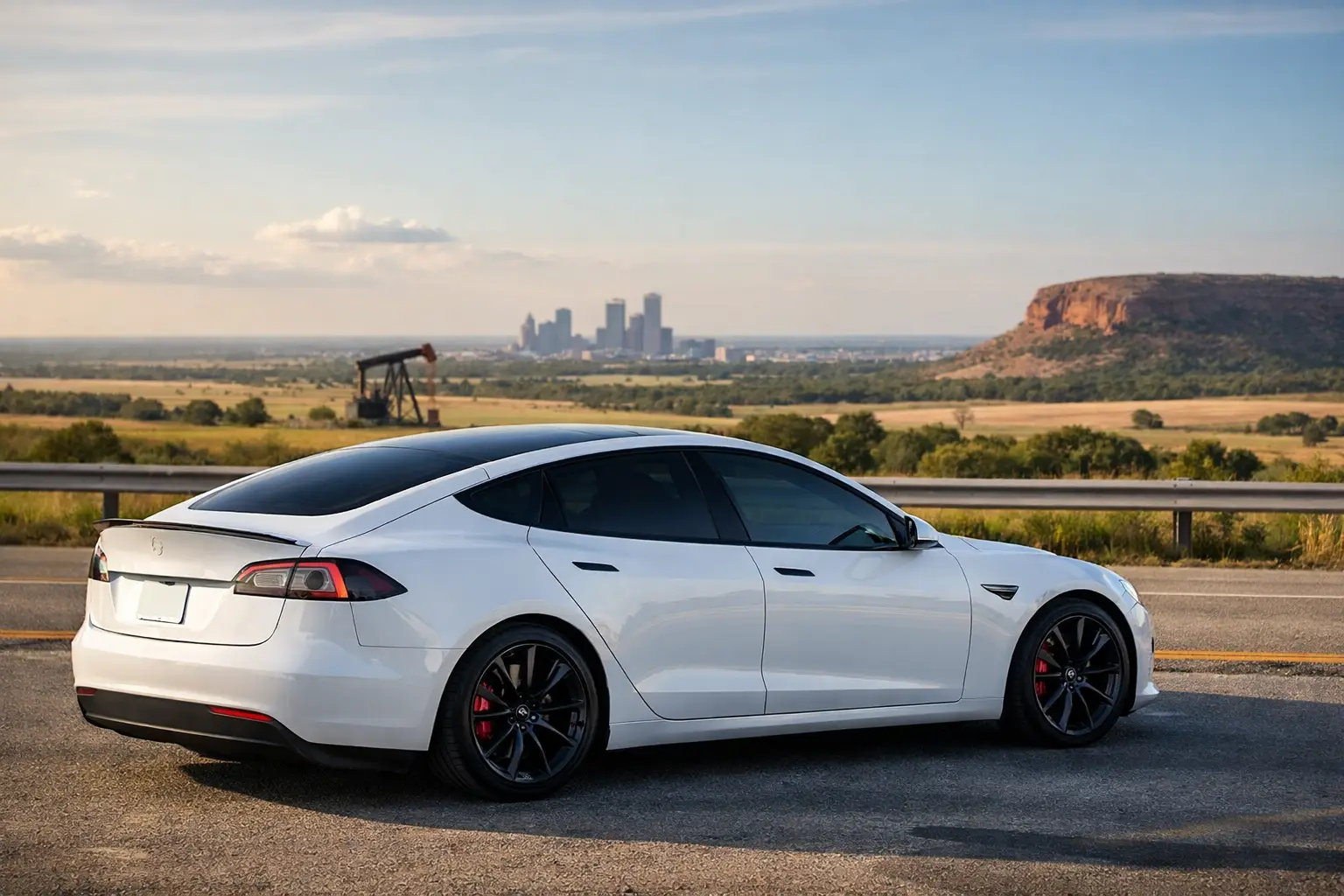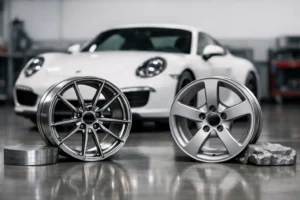
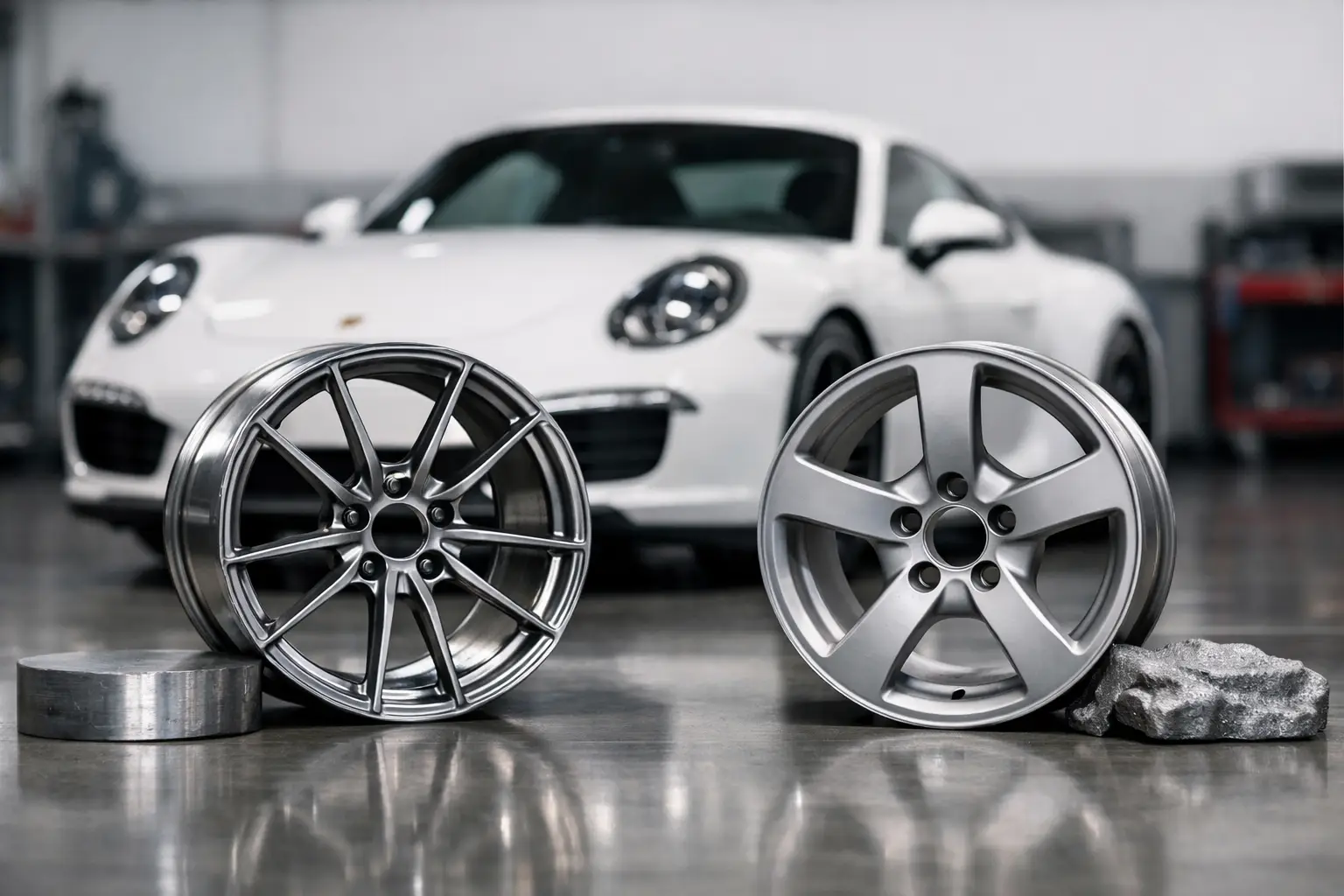
Superior Concepts in Edmond is a dealer for many wheel manufactures and can help choose the right wheel for your car and budget, from cast, forged, and even hybrid forged wheels from manufactures such as Vossen, Forgeline, Fogiato, Savini, Niche, Fuel, and many others!
A wheel upgrade can change the entire character of a vehicle before the engine ever turns over. The right design sharpens its stance, fills the wheel wells properly, and supports the level of performance an owner expects. But when comparing forged wheels versus cast wheels, the decision is about much more than appearance. Manufacturing method affects weight, strength, price, fitment options, and how well a wheel handles the realities of Oklahoma roads.
For a daily-driven truck, luxury SUV, sports car, or highly customized build, neither option is automatically the right answer. The best wheel is the one that matches your vehicle, driving habits, goals, and budget without compromising safety or quality.
The Core Difference Is How the Wheel Is Made
Cast wheels begin as molten aluminum poured into a mold. Once the metal cools, the wheel is machined, finished, and prepared for use. This process is efficient and allows manufacturers to create a broad range of styles at accessible price points. High-quality cast wheels can be an excellent choice for many drivers, particularly when they come from a reputable manufacturer and are correctly sized for the vehicle.
Forged wheels start with a solid billet or blank of aluminum alloy. Extreme pressure shapes and compresses the material into the wheel’s basic form before it is precision-machined. That pressure aligns the metal’s grain structure, creating a denser, stronger material than a typical cast wheel.
The result is not simply a more expensive wheel. Forging gives the manufacturer more strength to work with, allowing material to be removed where it is not needed. A forged wheel can therefore be exceptionally strong while using less material, which is why it is often lighter than a comparable cast design.
Why Wheel Weight Matters on the Road
Wheels are unsprung weight, meaning they are not supported by the vehicle’s suspension in the same way as the body and chassis. Reducing weight at each corner can improve how quickly the suspension responds to bumps, dips, and uneven pavement. It can also improve steering response and, in some vehicles, acceleration and braking feel.
This is where forged wheels often stand apart. Because they can be built lighter without sacrificing structural integrity, they are a natural fit for performance-focused cars and drivers who want a more responsive, connected feel behind the wheel. On a sports car, a lighter wheel package may help the vehicle turn in more crisply and feel less unsettled over rough pavement.
That does not mean every cast wheel creates a noticeable drawback. On a comfortable daily driver or a vehicle where appearance is the primary objective, the difference may be subtle. Tire choice, wheel diameter, sidewall height, suspension condition, and alignment also have major effects on ride quality and handling.
A practical example is a luxury SUV moving from factory wheels to a larger aftermarket setup. Selecting a very heavy cast wheel paired with a low-profile tire can make the ride firmer and less forgiving. A well-designed forged wheel may help offset some of that added weight, but correct sizing remains just as important as construction method.
Strength Is More Than a Marketing Claim
In the forged wheels versus cast wheels discussion, strength is one of the most meaningful distinctions. The forging process produces a wheel that is highly resistant to cracking and deformation under demanding loads. That can matter for high-horsepower performance cars, track-driven vehicles, larger SUVs, and trucks that see towing or hauling duty.
Oklahoma drivers also know that smooth highways are not the only part of the ownership experience. Potholes, broken pavement, construction zones, and abrupt road edges can punish a wheel and tire package. No wheel is invincible, especially with an oversized diameter and a short tire sidewall, but a properly engineered forged wheel offers a greater margin of strength in demanding conditions.
Cast wheels vary significantly in quality. A premium cast wheel from an established manufacturer is not the same as a low-cost, unknown wheel with limited engineering information. Material quality, casting method, load rating, machining, finish preparation, and inspection standards all matter. Choosing a wheel solely because it looks right in a photo can create expensive problems later.
For vehicles that prioritize everyday commuting, a quality cast wheel with the proper load rating can provide reliable service and an impressive visual upgrade. For an owner investing heavily in performance, durability, or a one-of-one build, forged construction can deliver a stronger long-term foundation.
Cost and Customization Create the Biggest Trade-Off
Cast wheels are generally more budget-friendly because molds and volume production make manufacturing more efficient. They also come in a huge selection of finishes, spoke patterns, diameters, and fitments. For many vehicle owners, this makes cast wheels the practical path to a clean, customized look without taking too much away from other upgrades such as window tint, paint protection film, or ceramic coating.
Forged wheels command a higher price because of the materials, machinery, machining time, and customization involved. Many forged wheel manufacturers offer precise control over diameter, width, offset, bolt pattern, center bore, finish, and spoke design. That level of specification is valuable when a vehicle has aftermarket brakes, a widebody conversion, a lowered suspension, or a fitment goal that cannot be achieved with an off-the-shelf wheel.
The added cost can make sense when it solves a real need. A custom-forged set may provide clearance around large brake calipers, fit a staggered tire setup correctly, or maintain the right load capacity on a high-end SUV. It is less compelling if the vehicle is a daily commuter that needs a durable, attractive wheel at a reasonable investment.
Choose the Wheel Around the Vehicle, Not the Trend
A wheel should be selected as part of a complete package. Diameter and width need to work with the vehicle’s suspension geometry, brakes, fenders, and tire size. Offset needs to position the wheel correctly without rubbing, poking excessively, or creating unnecessary stress on components. Load rating must meet the demands of the vehicle, especially for trucks and SUVs.
Before ordering, consider how the vehicle is actually used. A performance coupe that sees spirited weekend drives may benefit from a lightweight forged wheel and a tire selected for grip and steering precision. A lifted truck may need a wheel designed for the truck’s load, tire size, and intended off-road use. A luxury sedan may be better served by a refined cast wheel that preserves ride comfort while delivering the desired finish and stance.
Finish deserves careful consideration as well. Gloss black, satin black, brushed aluminum, bronze, and polished finishes all create different visual effects, but they also have different maintenance needs. Brake dust, road salt, and improper cleaning products can dull a wheel’s appearance over time. Professional Xpel wheel ceramic protection for wheels can make cleanup easier and help preserve the finish, particularly on detailed spoke designs that are difficult to clean by hand.
At Superior Concepts, the focus is not on pushing the most expensive option. It is on helping vehicle owners choose a wheel and tire package that looks right, fits correctly, and supports the way they drive. Proper installation includes attention to fitment, balancing, torque specifications, tire clearance, and the details that keep a premium upgrade feeling premium after the first drive.
The Right Upgrade Should Feel Intentional
Forged wheels are the premium choice when low weight, exceptional strength, and custom fitment are central to the build. Cast wheels remain a smart choice when a vehicle needs proven quality, strong style options, and better value for everyday use. The difference is real, but the right answer depends on the vehicle and the owner behind the wheel.
A great wheel package should do more than look good parked in the driveway. It should complement the vehicle’s lines, perform confidently on the road, and make every time you walk back to your car feel like the upgrade was worth it.