A vehicle can look dramatically different with the right window film, but appearance is only part of the decision. Knowing how to choose window tint means balancing the look you want with heat rejection, UV protection, nighttime visibility, legal requirements, and the quality of the installation. The best choice should make every drive more comfortable while protecting the interior and maintaining a clean, factory-quality finish.
Start With What You Want Your Tint to Do
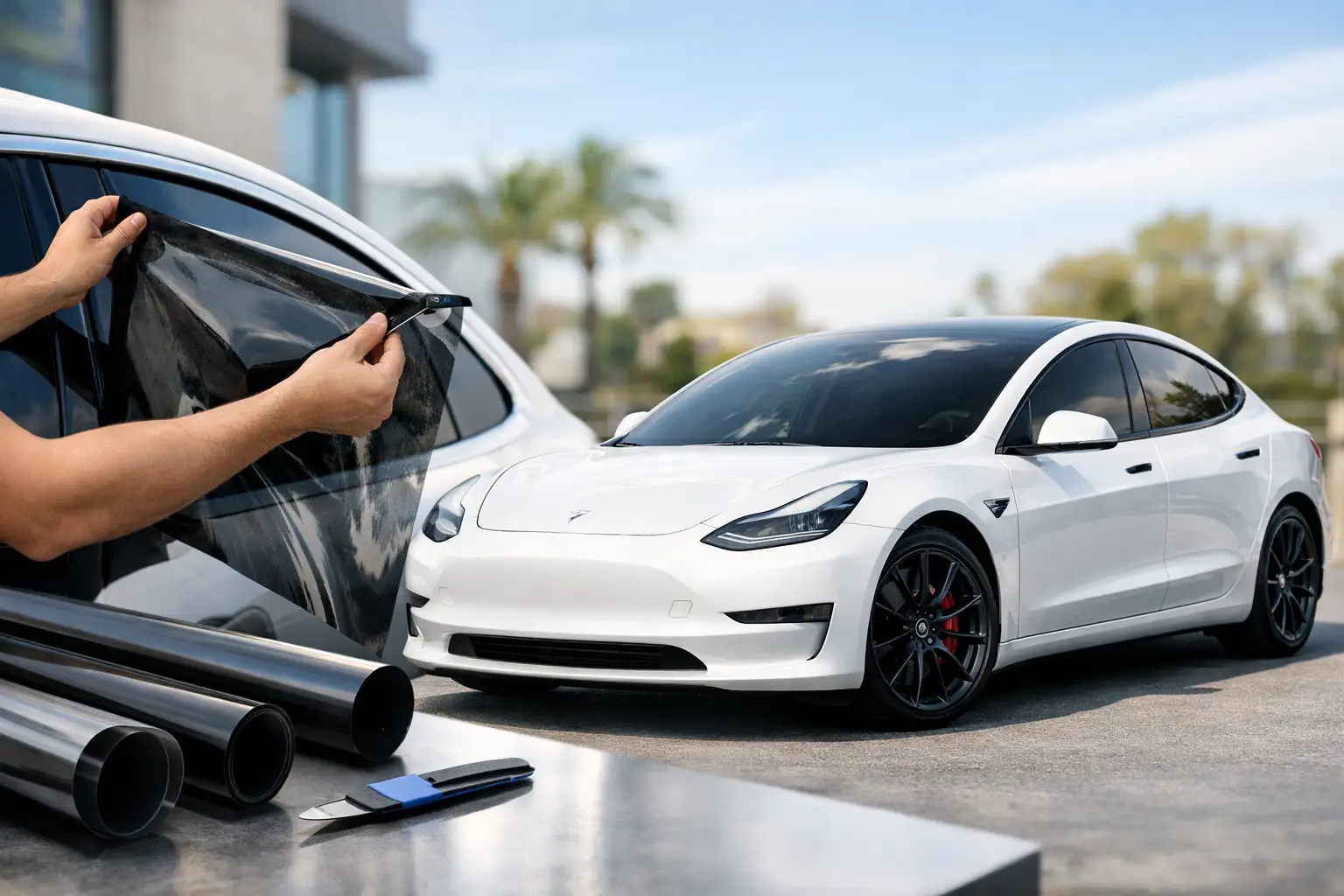
Window tint is often chosen for privacy, but its most valuable benefits are practical. Quality film helps reduce solar heat, blocks harmful ultraviolet rays, cuts glare, and limits the fading and cracking that can affect leather, plastics, screens, and trim over time. For Oklahoma drivers, that added comfort is especially noticeable during long summer days and when a vehicle has been sitting outside.
Start by deciding which benefit matters most to you. A daily commuter may prioritize cooler cabin temperatures and reduced glare. A new vehicle owner may want strong UV protection to preserve the interior for years. Someone customizing a truck, luxury sedan, or performance car may care most about a darker, more refined appearance. In most cases, the right film delivers a combination of all three, but your priorities determine which product and shade make the most sense. With our full line of Xpel films, we have the film to fit your needs and budget, always with a lifetime warranty on film and installation.
Understand Tint Darkness and VLT
Tint darkness is measured by visible light transmission, commonly called VLT. This percentage indicates how much visible light can pass through the glass and film. A higher VLT number means a lighter film. A lower number means a darker result.
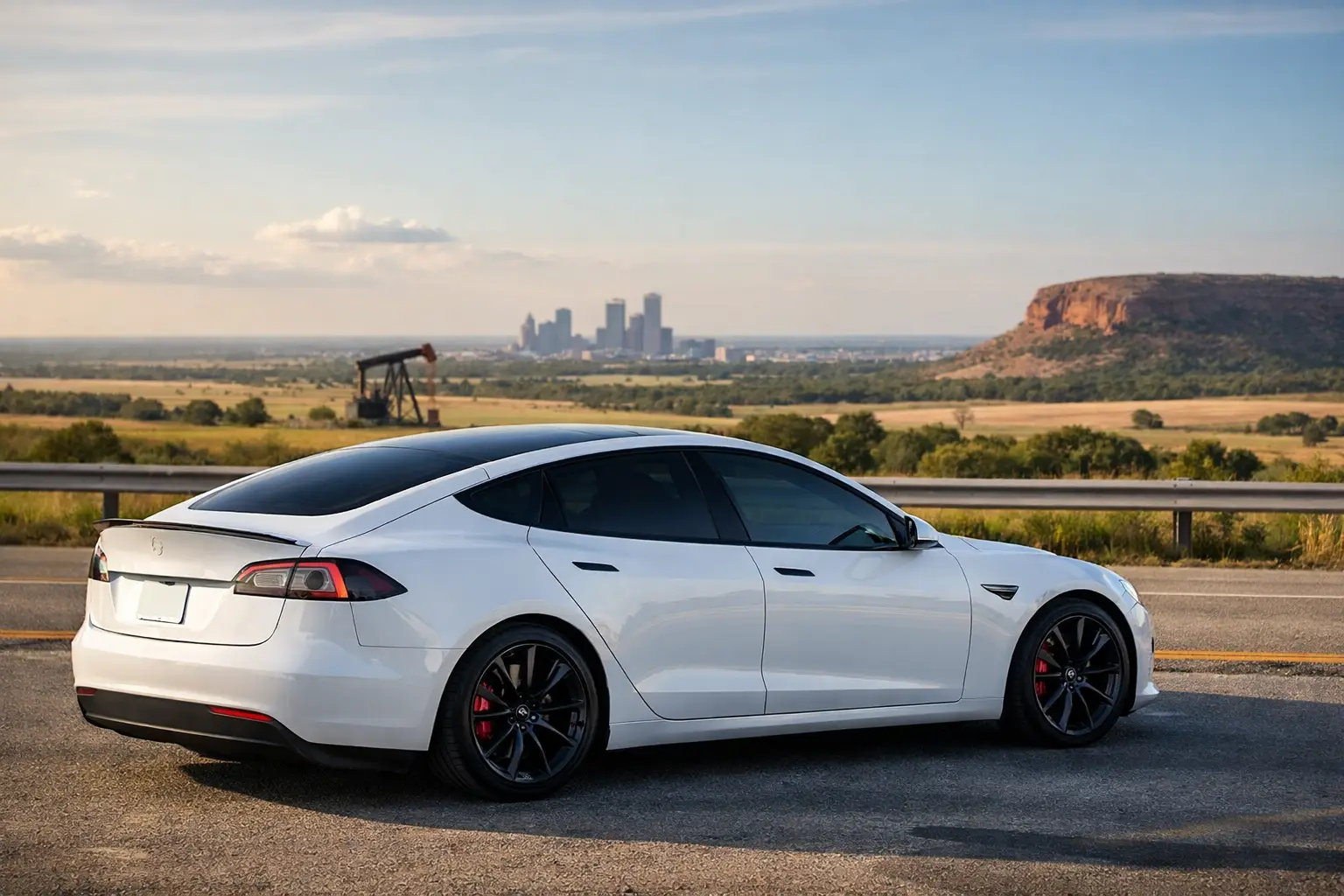
For example, 50% VLT allows about half of visible light through, creating a subtle appearance while still reducing glare. A 35% tint provides a noticeably darker look that remains practical for many drivers. Films around 20% and 5% create more privacy and a bolder appearance, but they can make nighttime visibility more challenging, especially on poorly lit roads or when backing up.
The number on the film is not always the final number on the window. Factory glass already has a small amount of natural light reduction, so the combined VLT after installation may be darker than the film rating alone. A professional installer can explain the final result before work begins, helping you choose a shade that meets your expectations and applicable regulations.
Think About Your Daily Driving Conditions
A dark tint can look excellent in the driveway, but it should also work at 10 p.m. in rain, in a dim parking garage, and on rural roads. If you drive frequently after dark, a moderate shade on the front windows may provide the best blend of style, comfort, and visibility. Drivers who use their vehicles primarily during the day may be more comfortable choosing a darker option where permitted.
Your vehicle itself also matters. Large SUVs and trucks have more glass and can benefit from tint that reduces cabin heat. A coupe with a smaller, darker interior may not need as much visible light reduction to achieve the desired look. A thoughtful recommendation accounts for the vehicle, not just a shade chart.
Choose the Right Type of Window Film
Not all window tint is made to the same standard. Budget dyed film can darken glass, but it may fade, discolor, bubble, or provide limited heat rejection over time. When the goal is long-term protection and a polished finish, the film technology matters as much as the shade.
Carbon film is a dependable step up from basic dyed tint. It offers a rich appearance, resists fading better, and can provide useful heat reduction without relying on metal layers. It is a solid option for drivers who want a clean look and reliable performance.
Ceramic tint is often the premium choice for drivers who want maximum comfort and protection. It uses non-metallic ceramic particles to reject heat and block UV rays without interfering with common electronic signals. That matters for vehicles with Bluetooth, GPS, cellular service, keyless entry, and other connected systems. Ceramic film can also provide strong heat rejection in a lighter shade, which is ideal for drivers who want a brighter cabin without giving up comfort.
The lowest price is rarely the best value if the film fails early or requires removal and replacement. High-quality material, proper preparation, and precise installation are what create a finish that continues to look right years later.
Do Not Confuse Darkness With Heat Rejection
One of the most common misconceptions about window tint is that darker film always keeps a vehicle cooler. Darkness affects visible light and privacy, but heat rejection depends on the film’s construction and performance ratings.
A high-performance ceramic film at a lighter VLT can reject more solar energy than a darker entry-level film. This is why drivers should look beyond color alone. Ask about the film’s total solar energy rejection, infrared heat rejection, and UV protection. These figures give a clearer picture of how the tint will perform when Oklahoma temperatures climb.
If cabin comfort is your primary goal, choose the best heat-rejecting film your budget allows, then select a legal and practical shade. You do not need the darkest possible tint to feel a meaningful difference behind the wheel.
Consider Local Tint Laws Before Selecting a Shade
Window tint laws can vary by window location and may change over time. Front side windows, rear side windows, back glass, windshield strips, reflectivity, and medical exemptions can all be subject to different requirements. Choosing a film that looks great but does not comply with applicable Oklahoma regulations can create avoidable problems during a traffic stop, inspection, or future vehicle sale.
A professional tint shop should help you understand the compliant options for your vehicle and desired appearance. This is particularly useful when factory privacy glass is involved. Privacy glass on the rear of many SUVs and trucks may look dark, but it does not always provide the same heat and UV performance as aftermarket window film. Adding the right film can improve comfort and protection while keeping the finished look consistent.
Avoid selecting a shade based solely on what you see on another vehicle. The same film can look different depending on interior color, exterior paint, factory glass, lighting, and the amount of tint already in the rear glass.
Prioritize Installation Quality
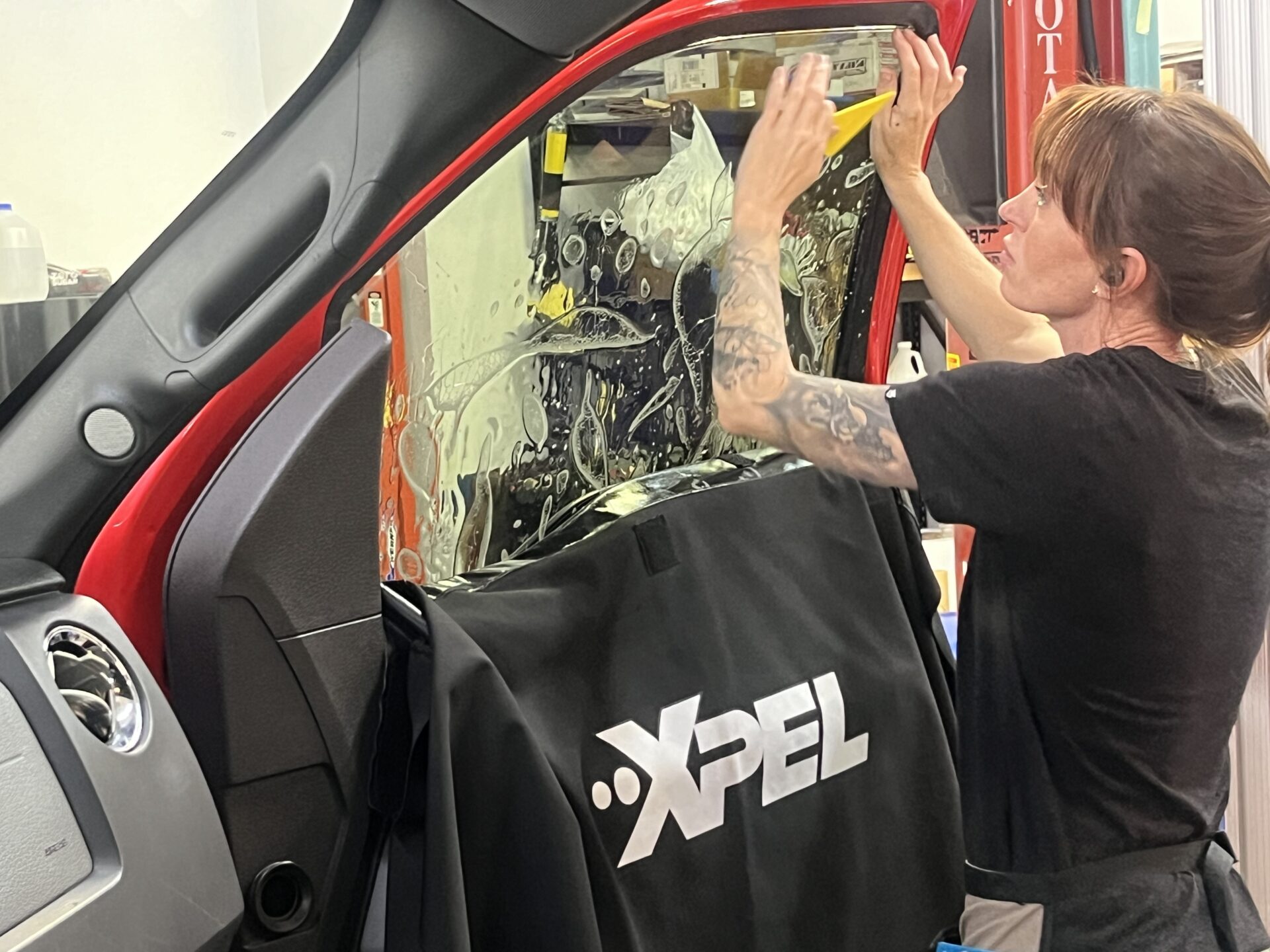
Even premium window film will disappoint if it is installed poorly. Window tinting requires careful cleaning, precise cutting, controlled application, and patience during the curing process. Dust, contamination, misaligned edges, and trapped moisture can affect the appearance of the finished job.
A professional installation should look clean and intentional from every angle. Small moisture pockets can be normal immediately after tinting as the film cures, but obvious debris, lifting edges, large bubbles, or uneven cuts are not signs of quality work. The installer should also explain aftercare, including when it is safe to roll down the windows and what products to avoid when cleaning the glass.
A meaningful warranty is another sign that a shop stands behind its materials and workmanship. It provides reassurance that the film is built for long-term use and that you have support if an unexpected issue develops.
Match the Tint to the Rest of Your Vehicle Protection Plan
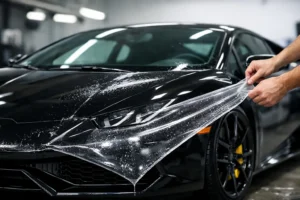
Window tint works especially well as part of a broader preservation plan. It protects the interior from UV exposure while paint protection film helps guard vulnerable exterior areas from rock chips and ceramic coating makes paint easier to maintain. These services address different sources of wear, but together they help a vehicle stay cleaner, more comfortable, and better protected.
For a new vehicle, installing tint early can help preserve the condition that supports long-term resale value. For an older vehicle, it can refresh the appearance while reducing glare and heat on every trip. Superior Concepts helps drivers throughout Edmond and the OKC Metro choose premium window film based on how they drive, what they value, and the finish they want to see every time they approach their vehicle.
The right tint should never feel like a compromise between style and usability. Choose a film that performs in the heat, supports safe visibility after dark, complies with local requirements, and is installed with the same care you expect from the rest of your vehicle. That is how a simple upgrade becomes lasting protection you notice on every drive.