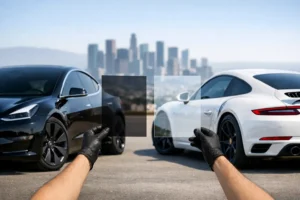
A new vehicle can lose its showroom finish faster than most owners expect. Gravel on the Kilpatrick Turnpike, construction debris, parking-lot door dings, intense Oklahoma sun, and routine washing all take a toll. When comparing XPEL versus vinyl wrap, the first question should not be which one looks better. It should be what you need the material to do for your vehicle.
XPEL paint protection film and vinyl wrap can both change the appearance of a car and help preserve the finish underneath. But they are built for different priorities. One is primarily a defense system for your paint; the other is primarily a styling material. Choosing correctly can make a meaningful difference in how your vehicle looks, wears, and holds value over time.
XPEL versus vinyl wrap: the core difference
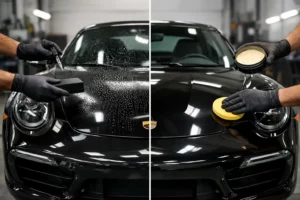
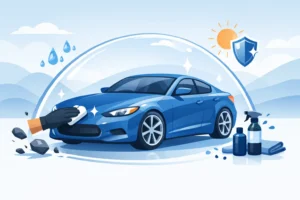
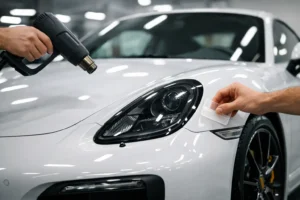
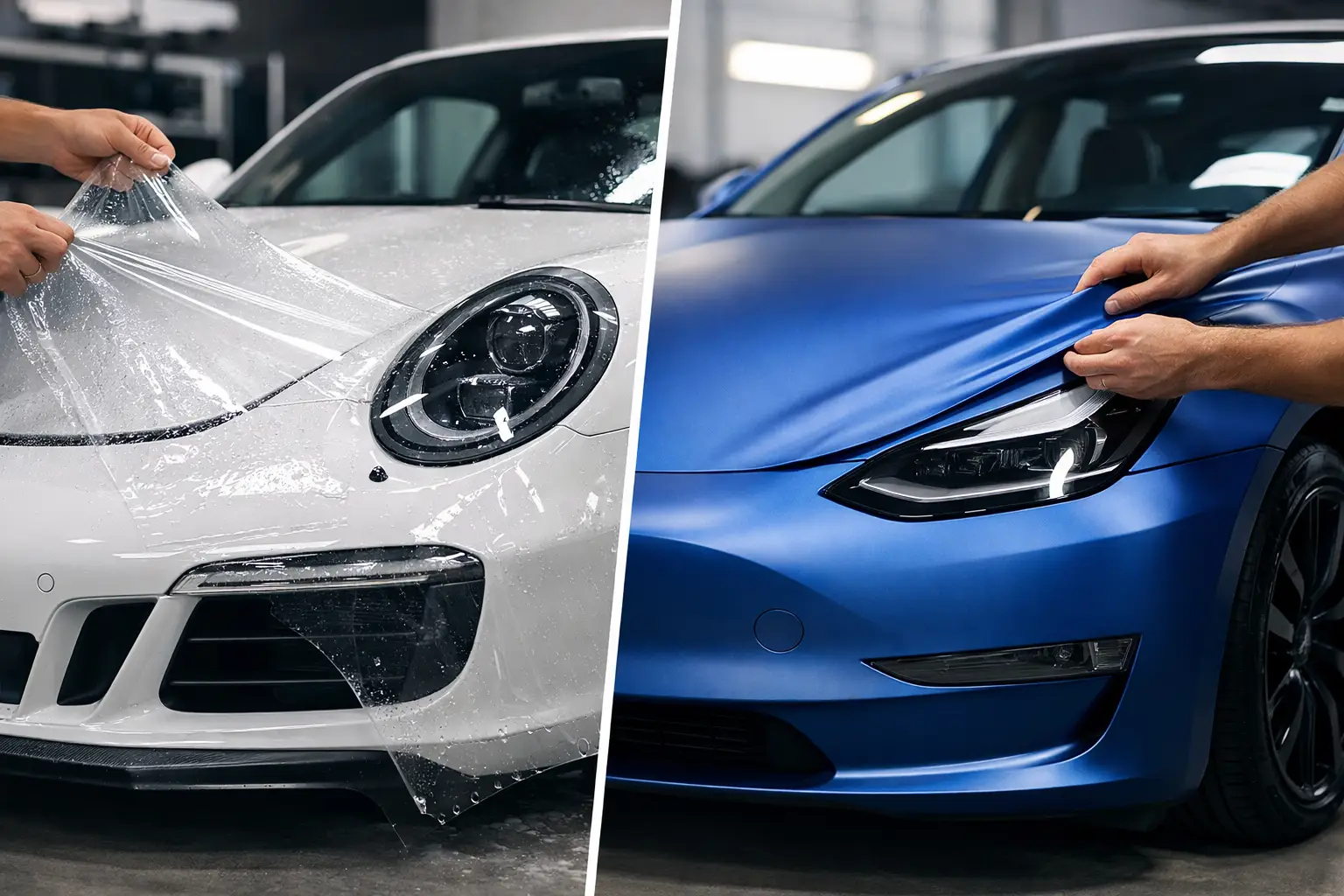
XPEL paint protection film, often called PPF or clear bra, is a thick, transparent urethane film designed to absorb the punishment that would otherwise reach your paint. It helps guard high-impact areas from rock chips, light scratches, road grime, bug acids, and other daily hazards. Premium XPEL film also offers self-healing properties, meaning minor surface scratches can fade with heat from the sun or warm water.
Vinyl wrap is a thinner, color or finish-focused film applied over painted panels. It allows owners to change a vehicle’s look without committing to a permanent repaint. Gloss, satin, matte, metallic, color-shifting, and printed finishes are all possible. A properly installed vinyl wrap also creates a barrier between your paint and light surface wear, but protection is not its main job.
That distinction matters. If your goal is to keep factory paint in exceptional condition, paint protection film is the stronger choice. If your goal is a dramatic color change or a custom visual statement, vinyl is usually the more practical route.
When XPEL paint protection film is the better investment
PPF is especially valuable on vehicles with fresh paint, expensive factory finishes, low mileage, or strong resale potential. Think of the painted front bumper, hood, fenders, mirror caps, rocker panels, and behind-the-wheel areas. These surfaces see the most debris and are often the first to show chips and sandblasting.
The film’s thickness is a major advantage. While exact specifications vary by product, PPF is substantially thicker than traditional color-change vinyl. It is engineered to take impacts that would chip or scar clear coat. On a daily driver, truck, luxury SUV, or performance car, that protection can preserve the clean, uniform finish buyers notice when it is time to sell or trade.
XPEL is also a strong option for owners who love their vehicle’s existing color. Clear gloss film maintains the original appearance while adding a sacrificial protective layer. Matte and satin PPF options can transform the finish while still delivering the protective benefits that make PPF different from standard vinyl.
For Oklahoma City-area drivers, PPF makes particular sense on vehicles that spend time on highways, commute daily, or regularly travel rural roads. One loose piece of gravel can do more damage than months of careful washing can prevent.
Self-healing changes the ownership experience
No film makes a vehicle invincible. A hard impact can still damage the film, and deep gouges may require a section to be replaced. The benefit is that the damage is often contained in the film rather than the original paint.
Self-healing is equally valuable for the small marks that accumulate over normal ownership. Fine wash marring and light scratches can become less visible when the film is warmed. Instead of constantly chasing minor defects in the clear coat, owners have a surface designed to recover from everyday abuse.
When vinyl wrap makes more sense
Vinyl wrap is the clear choice when appearance is the primary objective. Maybe you want a black roof, satin racing stripes, a matte finish, chrome-delete trim, branded graphics, or an entirely different color. Vinyl gives you more creative freedom for less money than painting a vehicle, and it can be removed later when installed and removed correctly.
It is also an appealing option for leased vehicles and owners who like to refresh their style every few years. A wrap can help keep the covered factory paint away from direct UV exposure and light scuffing while allowing a vehicle to stand apart from every other model on the road.
Still, vinyl should not be sold as a substitute for impact protection. It can help reduce light abrasions and shield paint from minor contamination, but it is not designed to absorb repeated rock strikes like PPF. A wrapped front bumper can still chip underneath when hit hard enough.
Vinyl also asks for reasonable care. Harsh chemicals, abrasive washing, neglected edges, and exposure to extreme heat can shorten its useful life. Quality material and meticulous installation make a major difference, but the film type still determines what level of protection you receive.
Cost, longevity, and what you are protecting
A full vehicle PPF installation generally costs more than a full vinyl wrap because the material is more expensive, thicker, and more demanding to install. Full-front protection is often a smart middle ground for owners who want to protect the most vulnerable areas without covering every panel.
A vinyl wrap can be more budget-friendly for a complete visual transformation, although specialty finishes, complex body shapes, extensive disassembly, and detailed custom work affect the final price. Neither service should be chosen on price alone. An inexpensive installation that leaves contamination, lifted edges, cut marks, or poor panel coverage can create frustration that outweighs the initial savings.
Longevity depends on the specific product, installation quality, storage conditions, cleaning habits, and how often the vehicle is driven. Premium PPF commonly carries stronger long-term protection expectations and manufacturer-backed warranty coverage. Vinyl wrap life can vary more widely, particularly on horizontal surfaces exposed to sun and heat.
Before choosing, consider the vehicle itself. A high-value truck, a new luxury SUV, or a performance car with costly paintwork may justify PPF because preserving original paint directly supports ownership value. A weekend car you want to personalize with a bold new finish may be a better candidate for vinyl, especially if chips and road damage are not your main concern.
Can you combine paint protection film and vinyl wrap?
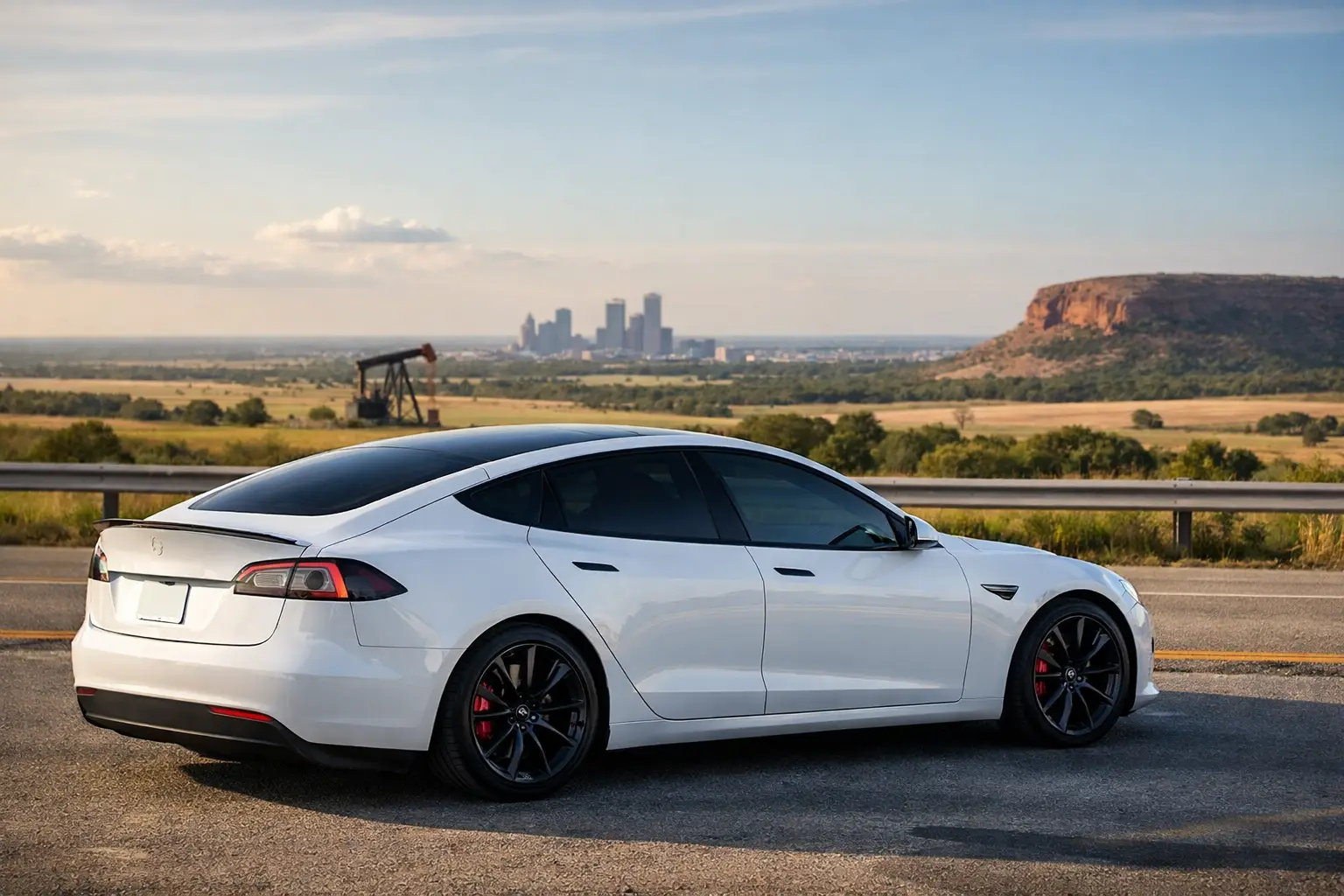
Yes, and for many owners, the best answer is not one or the other. A vehicle can receive PPF on high-impact zones and vinyl on selected cosmetic pieces. For example, clear XPEL film can protect the front end, rocker panels, and lower doors while vinyl creates a black roof, custom stripes, or a distinctive accent color.
Color PPF has also narrowed the line between protection and customization. It can provide a new appearance with greater durability than conventional vinyl, though it typically comes at a higher investment and with a more limited selection of finishes. This is worth considering for drivers who want both a color change and meaningful defense against chips.
Ceramic coating can complement either choice. It does not replace PPF or wrap, and it will not stop rock chips. What it can do is make the treated surface easier to clean and help maintain a slick, glossy appearance. The right order and product combination should be planned before installation rather than added as an afterthought.
Installation quality is part of the product
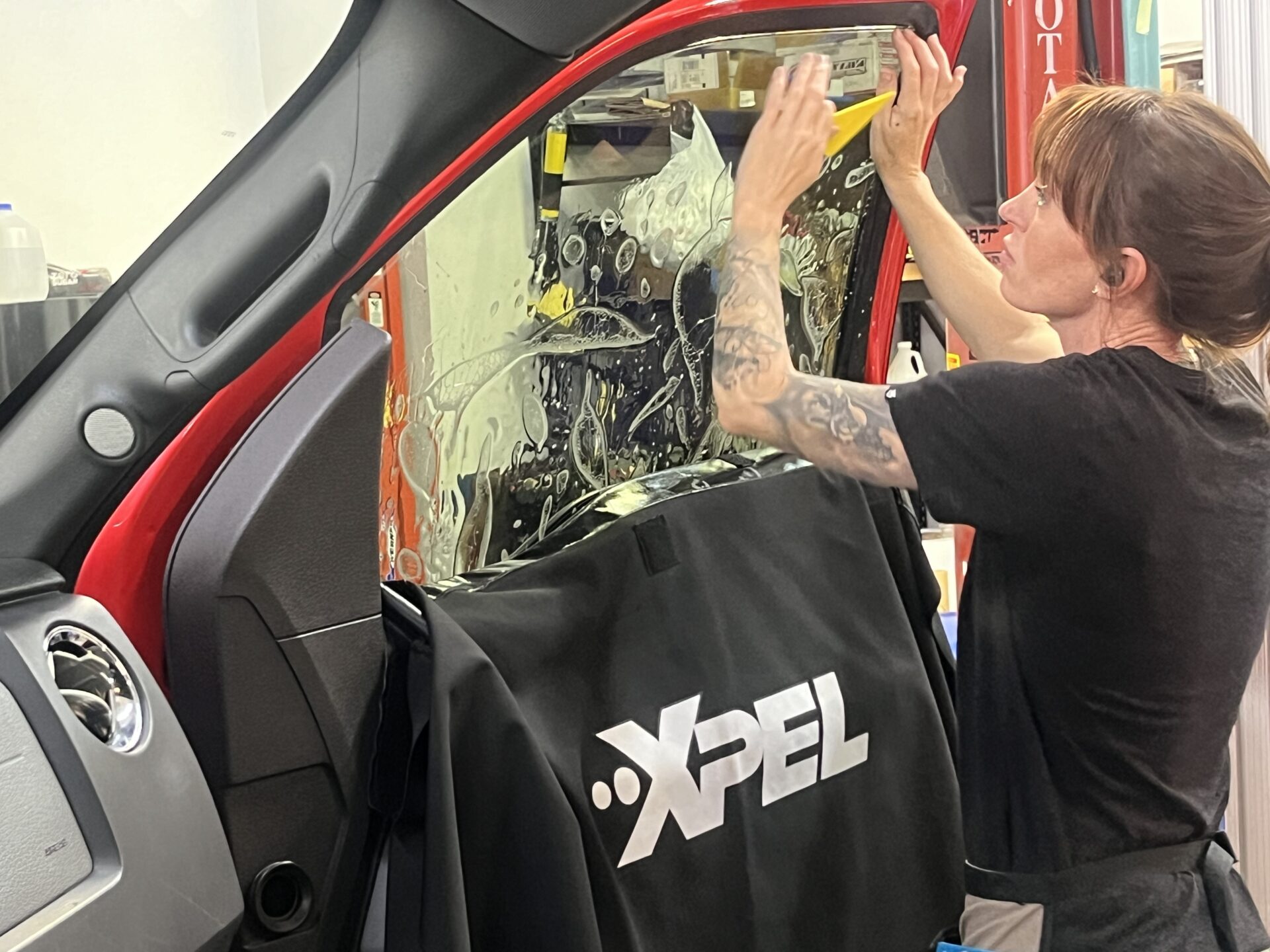
Even the best film cannot perform as intended if the preparation and installation are rushed. Paint should be evaluated carefully, cleaned thoroughly, and corrected when appropriate before film is applied. Existing chips, scratches, and contamination do not disappear beneath a wrap or PPF. In some cases, covering them can make them more noticeable.
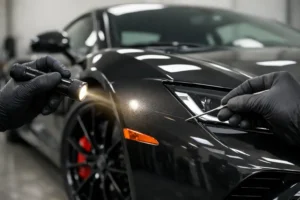
Precision also matters at edges, complex curves, badges, sensors, and panel gaps. A professional installer understands where material should wrap, where seams are necessary, and how to preserve a clean, factory-quality appearance without compromising the vehicle. Proper aftercare guidance is just as important, particularly during the first days after installation.
At Superior Concepts, the conversation begins with how you use your vehicle, not with a one-size-fits-all package. A commuter facing daily highway miles needs something different than an enthusiast building a one-of-a-kind weekend car.
The right choice is the one that protects the investment you care about most, whether that is your original paint, your vehicle’s next look, or a combination of both.