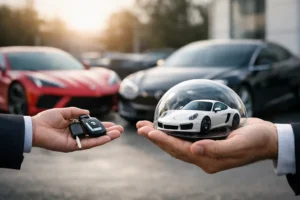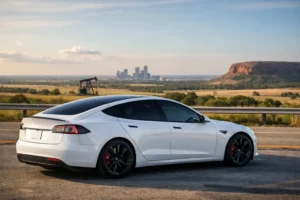
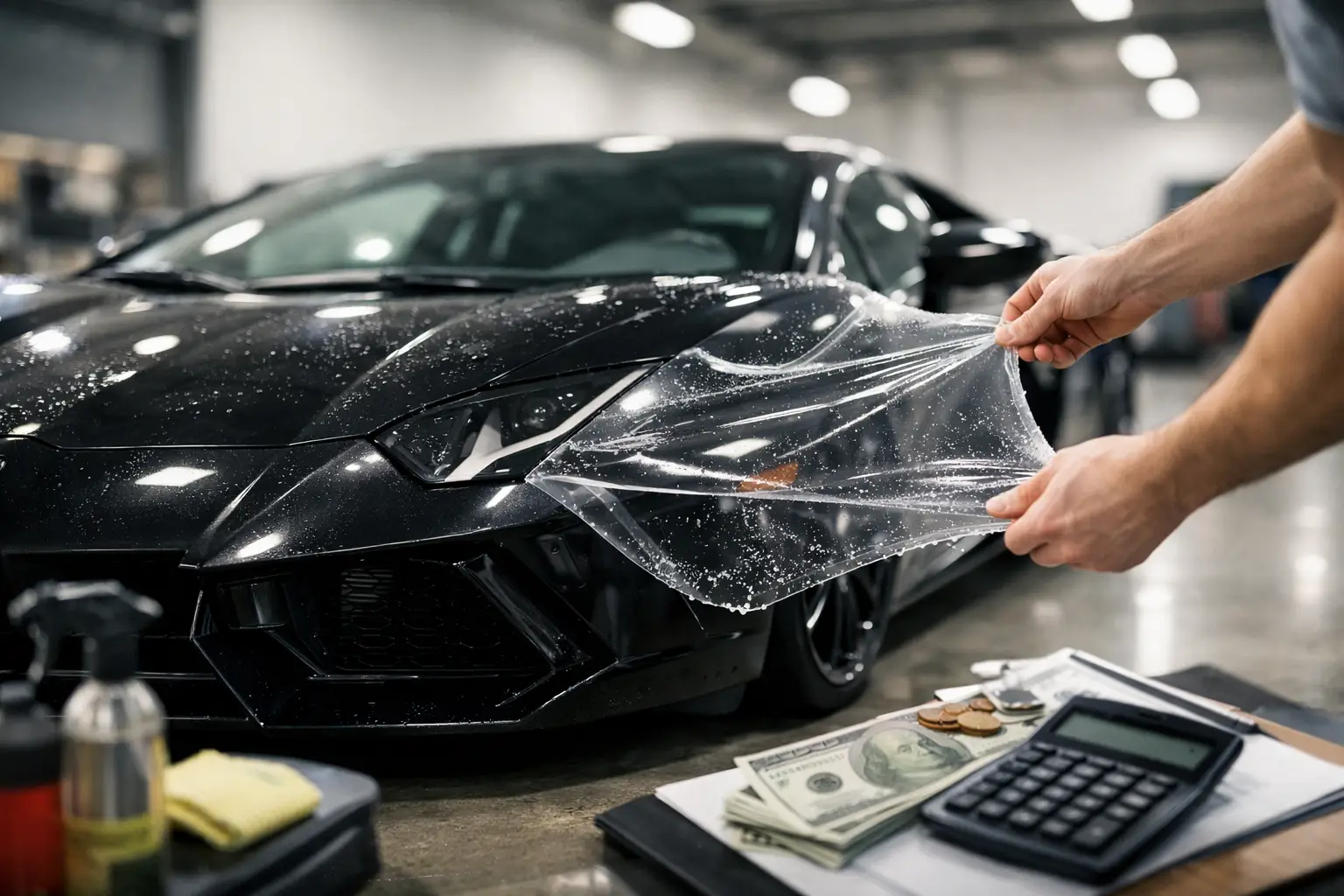
Sticker shock usually hits right after the first rock chip. A new truck, SUV, or performance car looks perfect leaving the lot, then Oklahoma roads get their turn. If you’re asking how much does paint protection cost, the honest answer is that it depends on the type of protection, how much of the vehicle you want covered, and the level of installation quality you expect.
For most drivers, paint protection falls into two main categories: paint protection film and ceramic coating. Both help preserve finish, gloss, and long-term value, but they do different jobs and come with different price points. Knowing where your money goes makes it much easier to choose the right package instead of paying for coverage you do not need or, just as frustrating, choosing too little and wishing you had done more.
How much does paint protection cost for most vehicles?
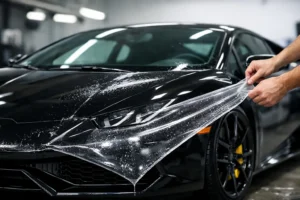
If you are talking about paint protection film, pricing usually starts with partial front-end coverage and climbs from there. A basic package for high-impact areas such as part of the hood, fenders, mirrors, and front bumper often lands in the several-hundred to low-thousands range. A full front package typically runs higher because it covers the entire hood, full fenders, bumper, headlights, and mirror caps. Full vehicle PPF is the premium option and can reach several thousand dollars depending on vehicle size, body complexity, and film brand.
Ceramic coating is usually more affordable than full-body film, but the price still varies based on paint condition and the coating system being installed. Entry-level professional coatings often start in the high hundreds, while multi-year premium coatings with paint correction can move well into the low thousands. If your paint needs polishing before coating, expect that prep work to affect the final number.
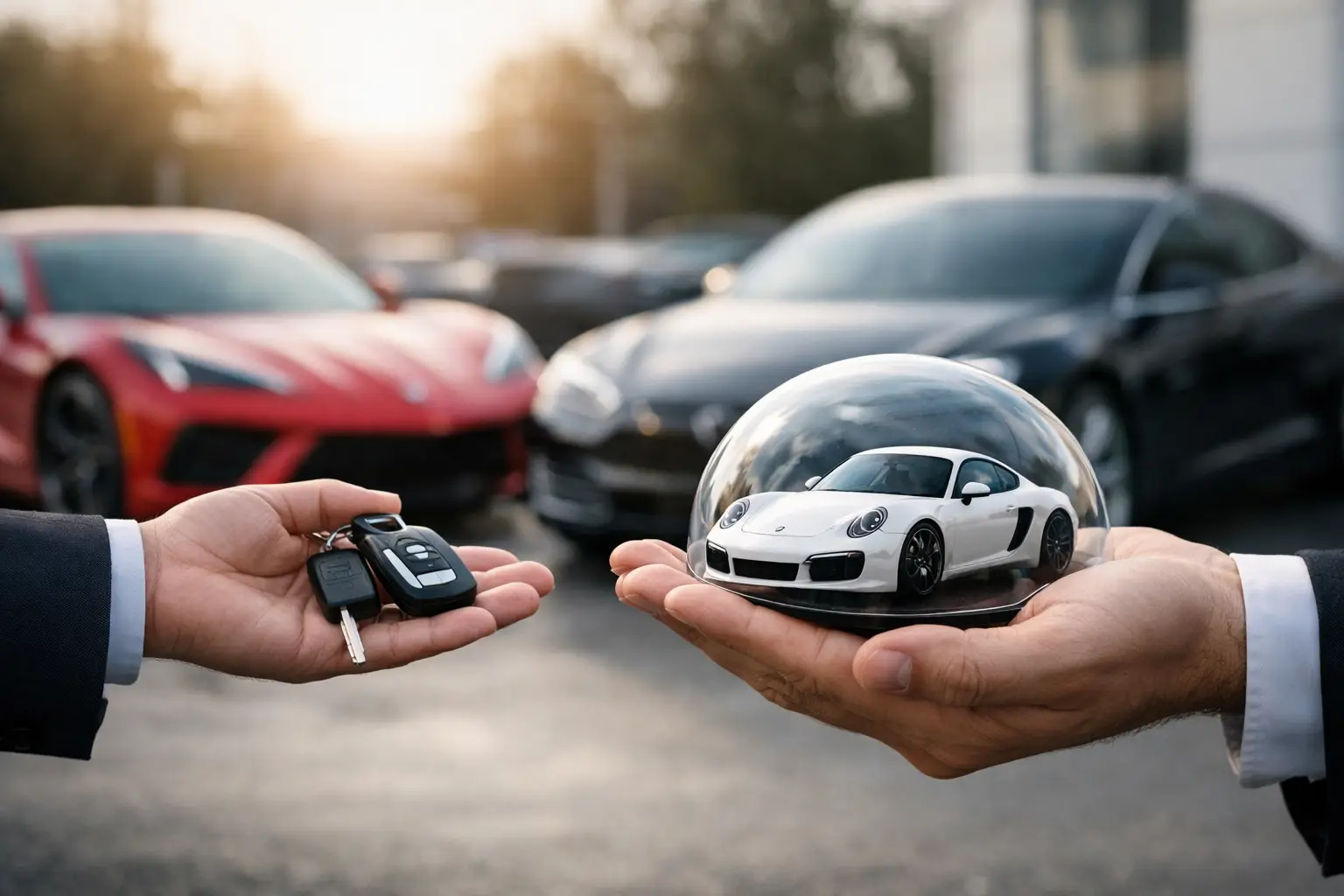
There is also a third category that confuses people: dealer-applied or quick-sale paint protection packages. These can sound similar on paper, but the real value depends on prep, product quality, and who is doing the installation. A lower upfront price is not always a better deal if the finish is poorly corrected, coverage is limited, or the protection fails early.
What changes the price?
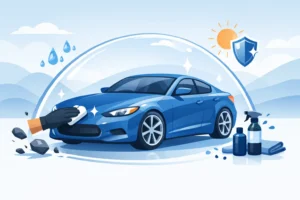
The biggest factor is the type of protection. PPF is more expensive because it is a physical urethane film installed on the paint. It takes more material, more labor, and more precision. Ceramic coating is a liquid-applied protective layer that enhances gloss and makes maintenance easier, but it does not stop rock chips the way film can.
Coverage level matters just as much. Protecting only the front bumper and mirrors costs far less than wrapping the full front end, rocker panels, door edges, and rear impact areas. Some drivers want targeted protection where damage is most likely. Others want nearly invisible coverage across the whole vehicle because they plan to keep it long term or maintain a showroom finish. The type of finish can affect decisions as well as factory Matte finishes can be difficult to maintain, or repair should damage occur as well as bespoke paints that our multiple finished containing pearls and tinted clears that can’t easily be blended and repaired.
Vehicle size and shape also affect labor. A large SUV or truck uses more product than a compact sedan. A performance car with aggressive curves, vents, and complex edges may take more time to install cleanly than a flatter, simpler body style. More contours mean more cutting, stretching, fitting, and finishing.
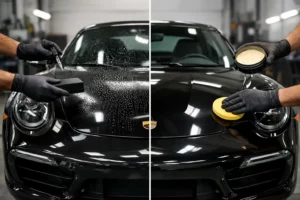
Then there is paint condition. If the vehicle already has swirl marks, scratches, water spots, or oxidation, that surface may need correction before a ceramic coating or film installation. Protection locks in what is underneath. If the paint needs improvement first, prep work becomes part of the investment.
Paint protection film vs. ceramic coating
This is where a lot of budget decisions get made.
Paint protection film is the best defense against chips, road rash, bug acids, and light surface damage in high-impact areas. It is the premium choice for new vehicles, luxury models, sports cars, and daily drivers that spend a lot of time on highways. If your main concern is physical damage from debris, PPF is the stronger answer.
Ceramic coating is better thought of as a paint-preservation and maintenance upgrade. It helps with gloss, water behavior, easier washing, UV resistance, and reduced contamination sticking to the paint. It does not replace film, but it adds real value for owners who want the vehicle to stay cleaner and look sharper with less effort.
For many drivers, the smartest approach is a combination: PPF on the areas that take abuse, then ceramic coating over exposed painted surfaces or even on top of the film. That costs more upfront, but it creates a more complete protection strategy.
How much does paint protection cost when you choose partial vs. full coverage?
Partial coverage is the budget-conscious option, and in many cases it makes sense. If you commute daily between Edmond and OKC or spend a lot of time on turnpikes, the front bumper, hood edge, mirrors, and fenders are usually the first places to show damage. Covering those areas can stop the most obvious wear without moving into full-vehicle pricing.
Track Pack coverage is often the sweet spot. It protects the areas most exposed to debris while keeping the finish consistent across the front of the car. For many new vehicle owners, this is the package that balances cost and real-world value best. Track Pack, includes full front coverage but adds protection to the lower rocker panels, behind the rear tire, as well as the painted areas around the windshield.
Full-body film is for owners who want the highest level of preservation. That can make sense on exotic cars, collectible vehicles, luxury SUVs, or any vehicle you plan to keep for years and want looking exceptional. It is a serious investment, but so is repainting multiple panels later or watching a premium finish slowly lose its edge.
Why installation quality matters as much as price
Paint protection is not a product-only purchase. It is a craftsmanship purchase.
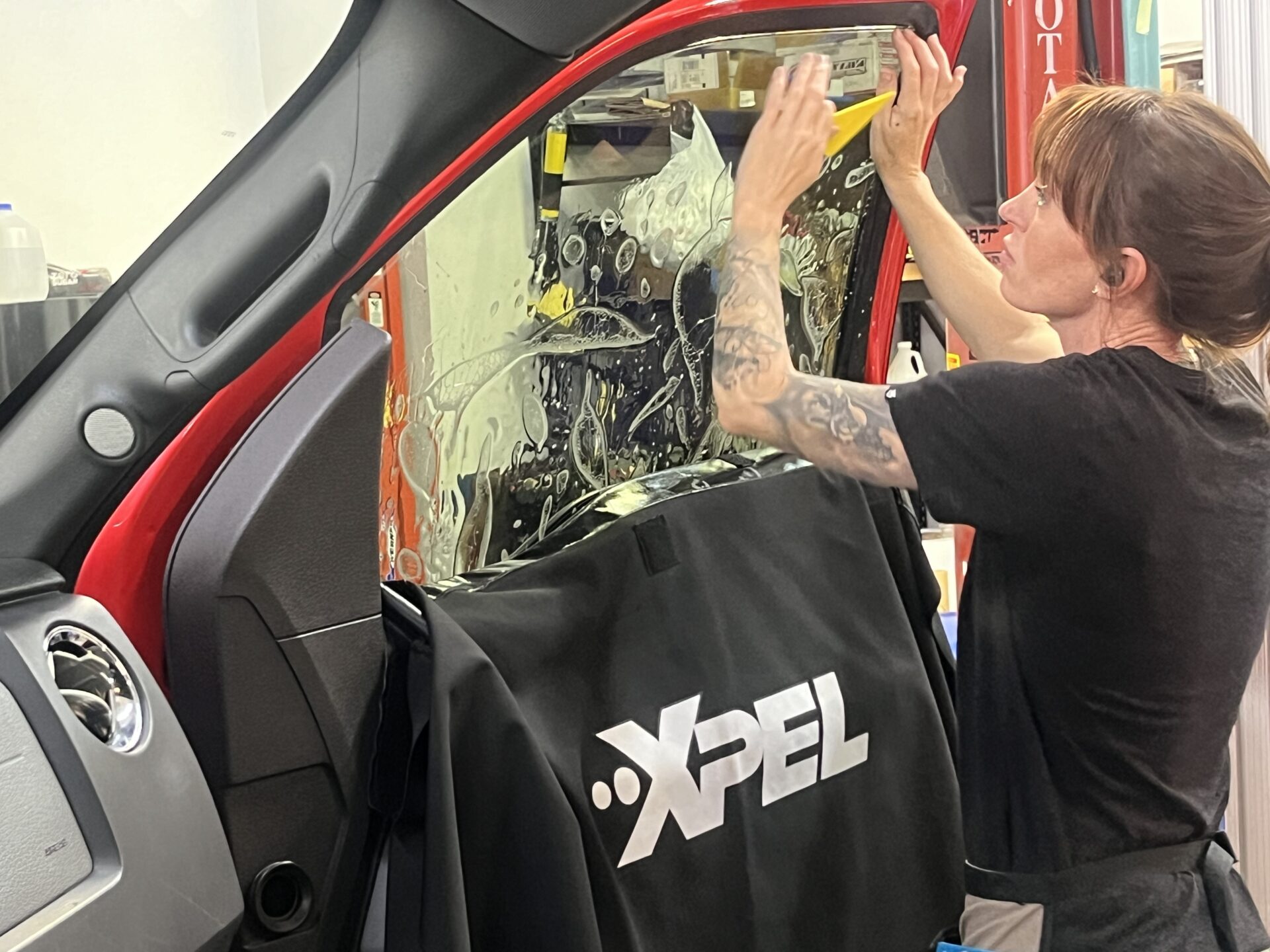
Two shops can quote different numbers for what sounds like the same service, but the difference often shows up in the details. Clean edges, pattern accuracy, contamination control, surface prep, panel alignment, and post-install finishing all matter. A lower quote may mean less prep, less coverage than you assumed, more visible seams, or lower-grade material.
That is especially true with PPF. Film should look clean and intentional, not obvious and distracting. With ceramic coating, the prep stage is everything. If the paint is not properly corrected and the coating is not applied with care, the final result will not match the promise.
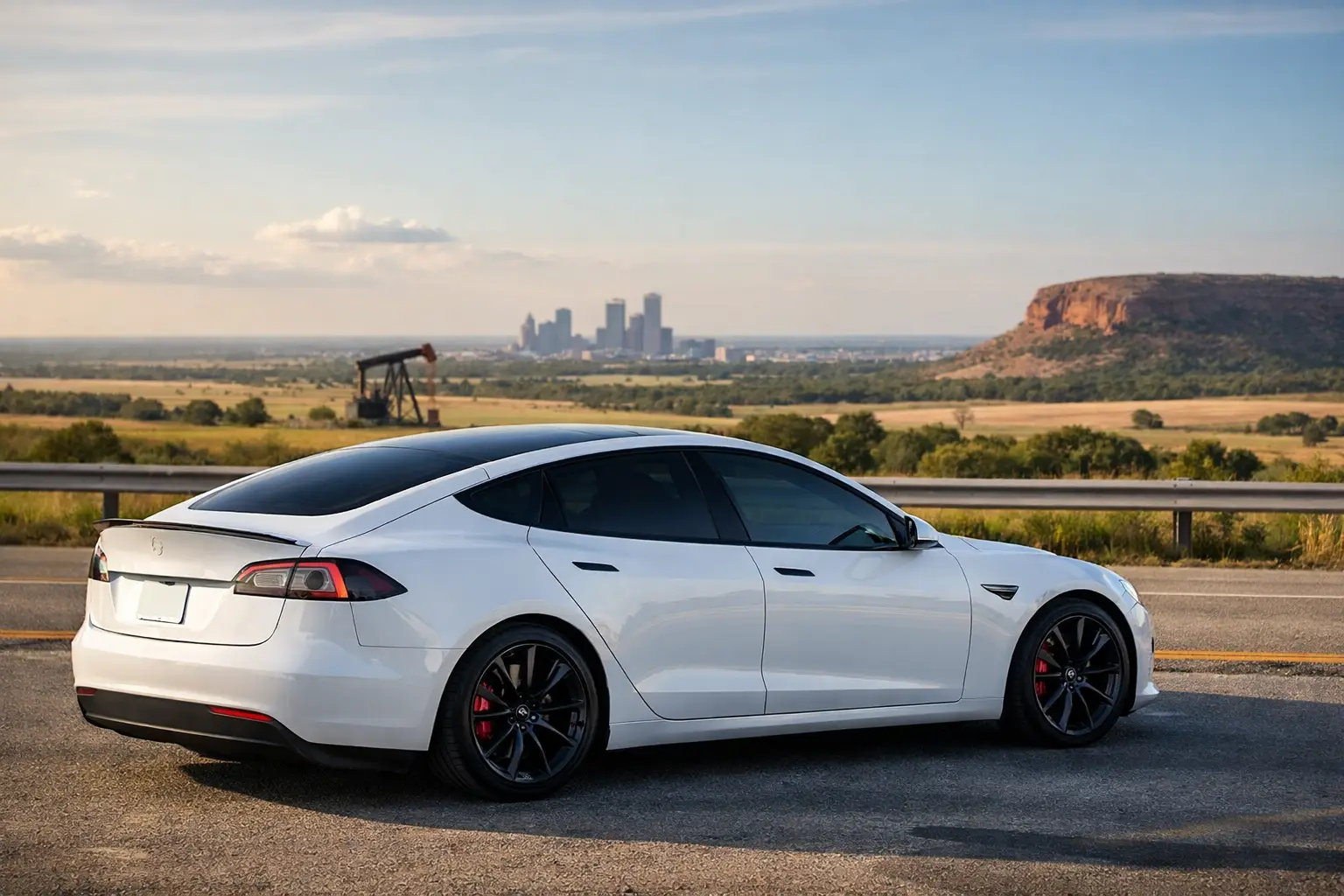
This is where working with Superior Concepts, (https://www.superiorconcepts.net/oklahoma-city-ok/) pays off. As Oklahoma’s original ppf/clear bra facility we have combined experience of nearly 40 years installing ppf. In a market like Edmond and the greater OKC Metro, where weather, UV exposure, road construction, and debris all take a toll, quality installation is what turns protection from a sales pitch into something that actually preserves your vehicle.
Is paint protection worth the cost?
For many owners, yes, especially when the vehicle is new or recently corrected.
If you trade vehicles every two or three years, your threshold for spending may be different than someone planning to keep a truck or SUV for a decade. If you drive mostly locally and rarely hit the highway, partial protection may be enough. If you own a black vehicle, a luxury model, or a performance car where finish quality is part of the ownership experience, protection usually feels worth it much sooner.
The value is not only about resale. It is also about avoiding frustration. Fewer chips, easier washing, less fading, and a better-looking finish over time all have practical value. For some drivers, that peace of mind matters just as much as the dollar amount attached to future trade-in value.
How to choose the right package
Start with how you actually use the vehicle. A daily commuter that sees highway miles has different needs than a weekend car. A family SUV parked outside in Oklahoma sun has different priorities than a garage-kept sports car.
Next, decide what problem you are trying to solve. If chips are the issue, lean toward PPF. If your goal is easier maintenance and long-term gloss, ceramic coating may be enough. If you want the strongest overall result, combine them strategically instead of paying for full-body film when a full front package plus coating might accomplish what you really need.
Finally, ask for a clear explanation of what is included. Coverage areas, film or coating brand, prep work, warranty, and expected maintenance should all be spelled out. The right quote should feel transparent, not vague.
A well-done protection package should fit your vehicle, your driving habits, and your standards. That is why the best answer to cost is not the cheapest number. It is the one that protects the finish the way you want, for as long as you plan to enjoy the vehicle. If you want guidance that feels practical instead of pushy, a shop like Superior Concepts can help you match the right level of protection to the way you actually drive.